Field notes
AI × Education Thinktank: Exploring What AI Can Mean for the Future of Education
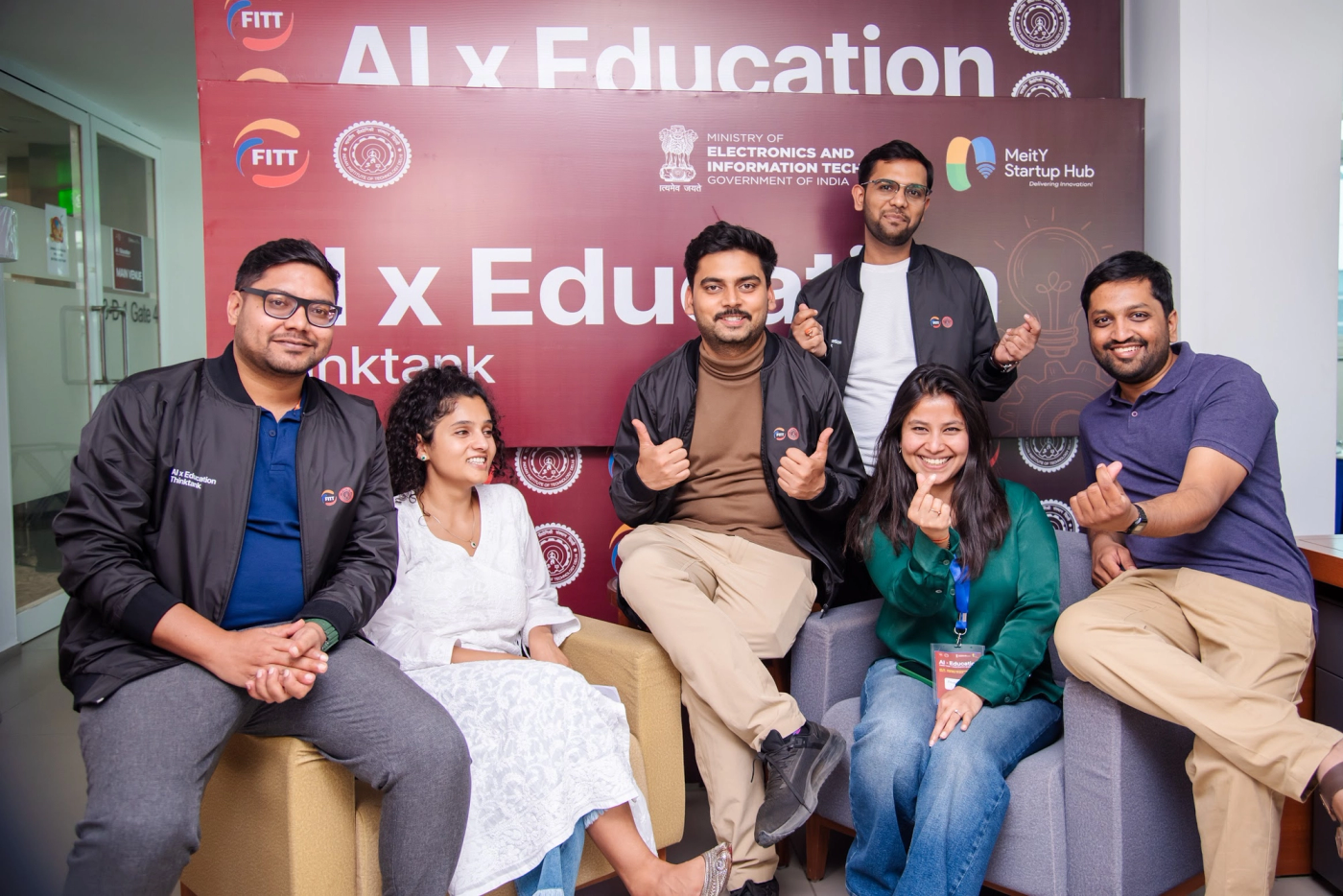
What happens when educators, technologists, researchers, policymakers, and builders come together to rethink the future of education? That was the idea behind the AI × Education ThinkTank at IIT Delhi.

Artificial Intelligence is rapidly entering the education ecosystem, creating new possibilities for students, teachers, institutions and families. But the more AI becomes part of learning, the more important it becomes to ask how it should be used, who it should serve and what safeguards need to accompany its adoption.
These questions formed the foundation of the AI × Education Thinktank, designed and executed by BLDR Collective for IIT Delhi Research Park, in collaboration with MeitY and MeitY Startup Hub. The two-day programme brought together 20+ industry leaders and executives from industry and government to explore practical challenges and opportunities at the intersection of AI and education.
The Thinktank was designed as a working experience rather than a conventional conference. Participants were brought together to explore defined problem areas, develop ideas in teams, challenge their assumptions and present their thinking to a wider group.
“The future of AI in education cannot be shaped by technology alone; it requires educators, industry, government, parents and communities to participate in the conversation.”
Bringing the Right Perspectives Together
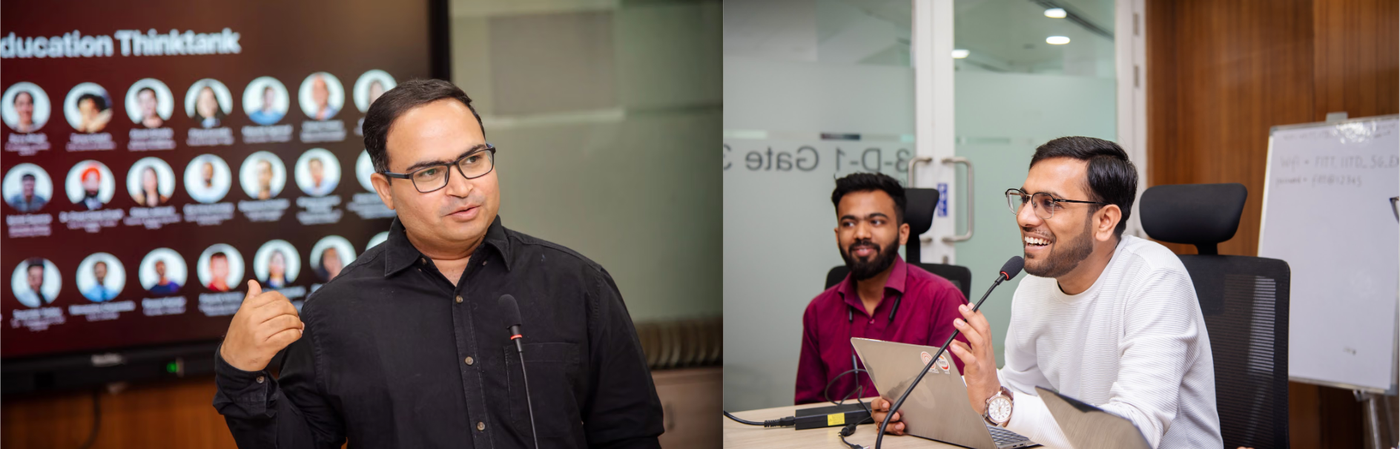
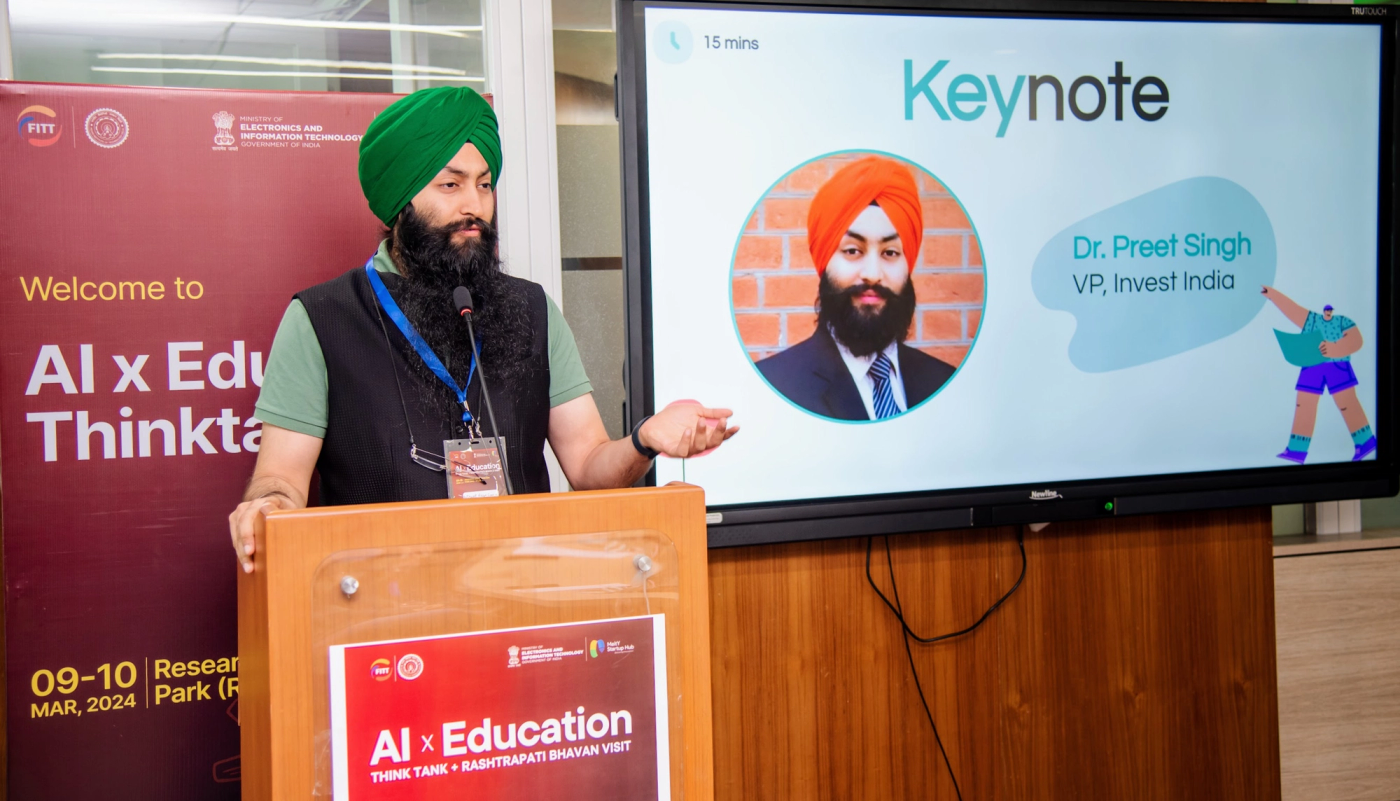
The programme opened with a welcome from Dr. Ashutosh Pastor, VP – Incubation, FITT, followed by Dewansh Poddar sharing insights into FITT's work and the innovation ecosystem around the programme. Dr. Preet Deep has set the right alignment around AI x Education in the room by bringing everyone on the same page.
Akash Shukla, Chief BLDR, BLDR Collective then introduced the sprint context alongwith the Co-Facilitators and set the direction for the discussions ahead.
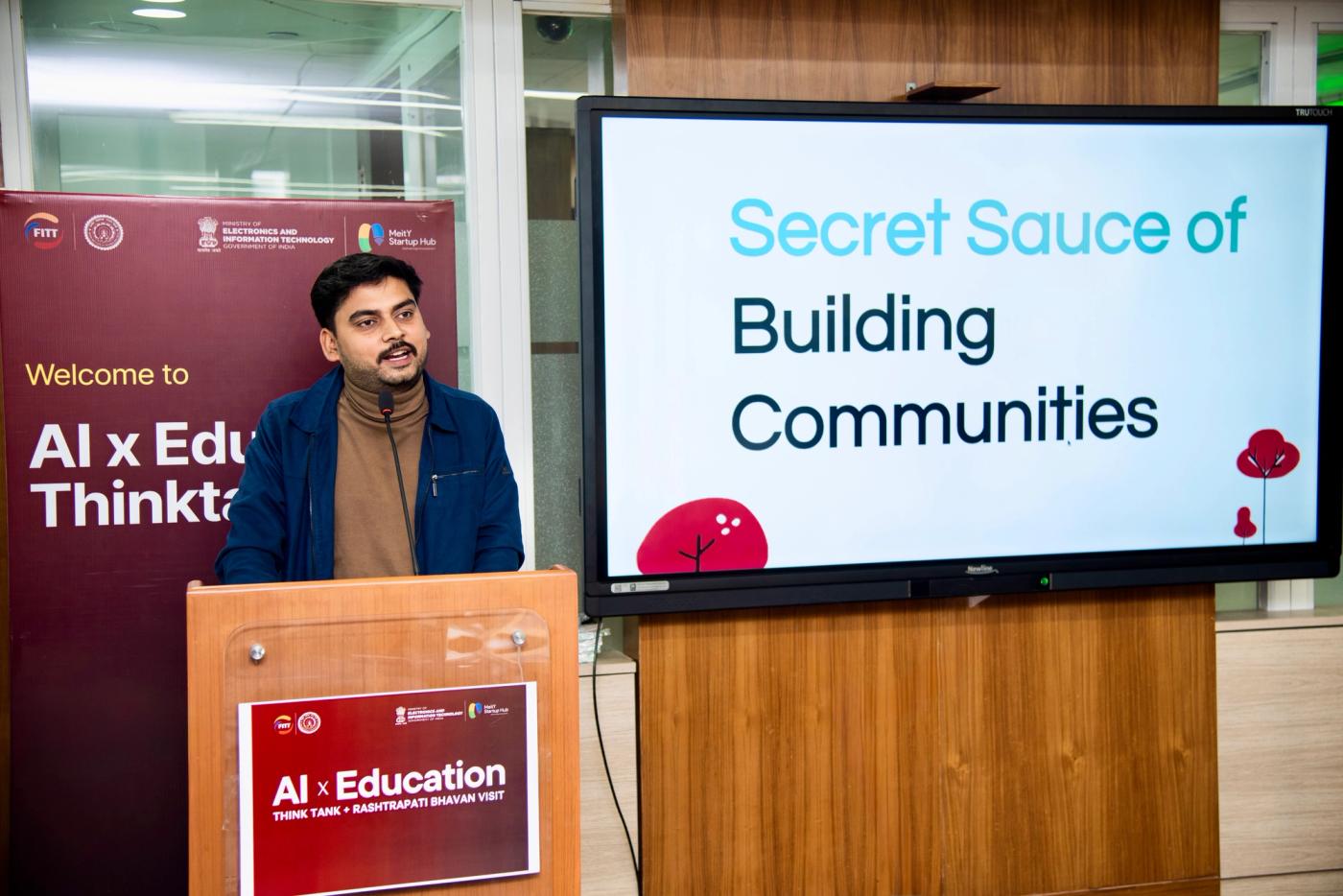
With participants coming from different professional backgrounds, the room brought together varied perspectives on technology, education, policy, innovation and implementation. This diversity was important because the challenges surrounding AI in education extend well beyond technology itself.
The programme therefore focused on specific challenges where participants could combine their experience and examine the issues from multiple angles.
Three Challenges at the Centre of the Thinktank
The participants worked across three focus areas: AI for Rural Kids, AI for Teachers, and Ethical Issues of AI for Parents.
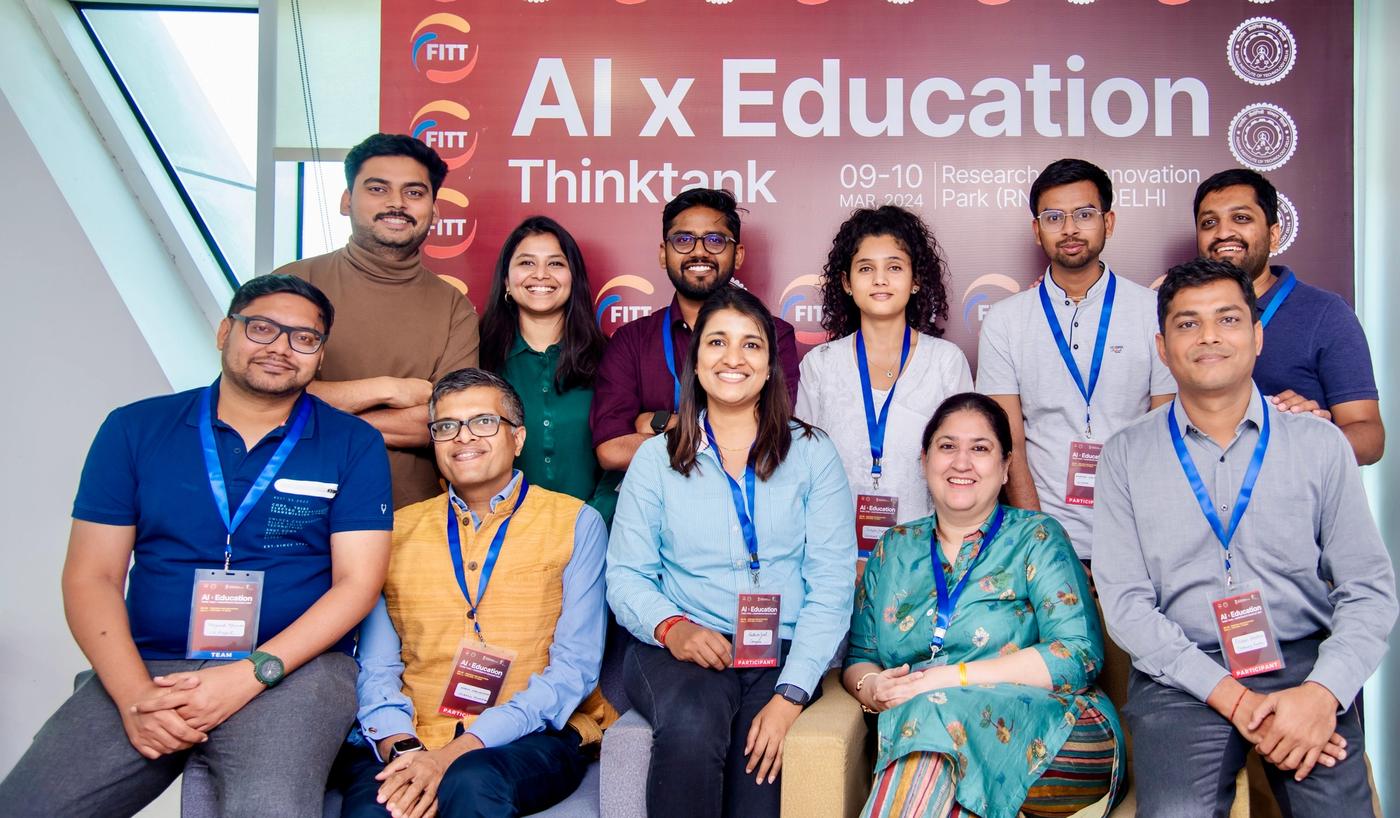
The AI for Rural Kids team explored how AI could potentially expand learning opportunities for children in underserved communities. Their discussions considered questions around accessibility, infrastructure, language and the realities of learners outside traditional urban education environments.
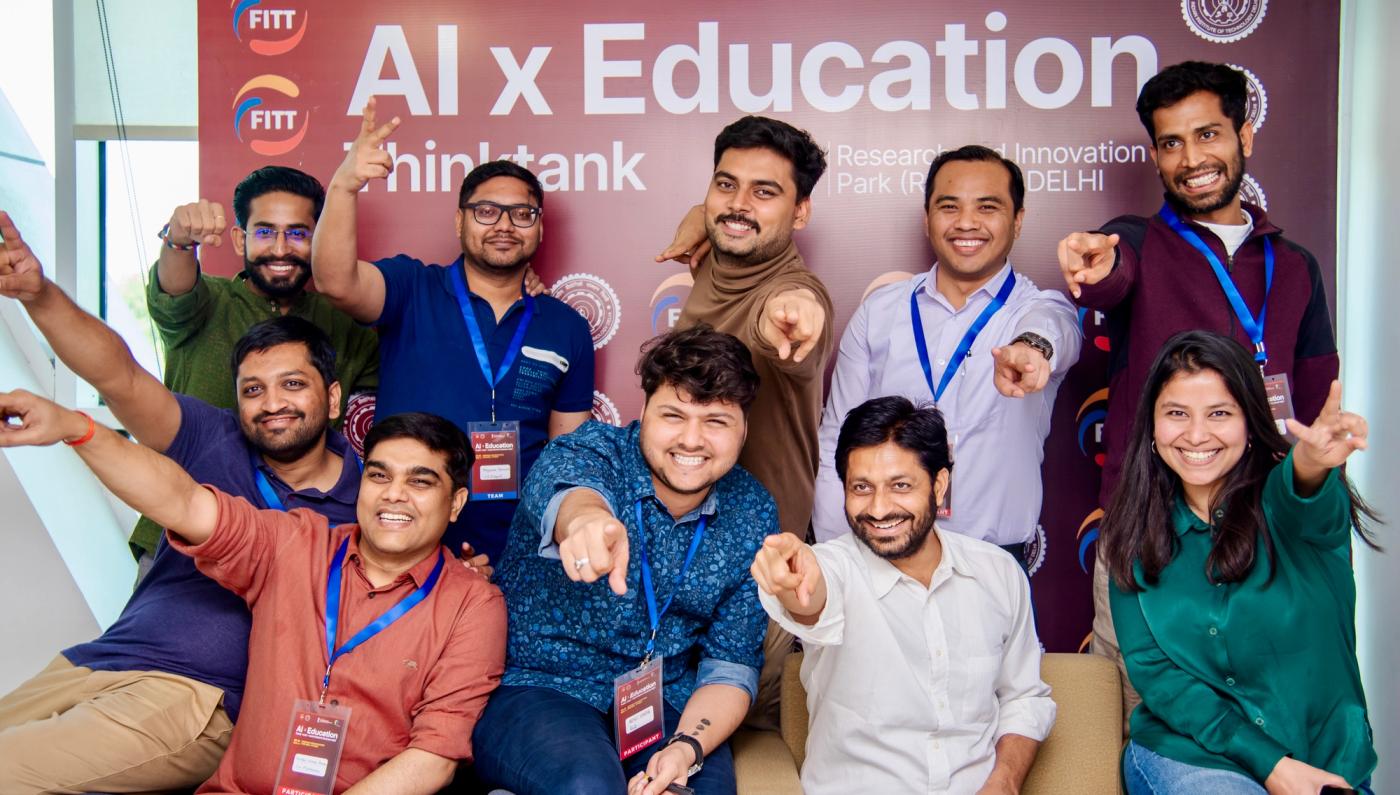
The AI for Teachers team looked at the educator's role in an AI-enabled classroom. Their work explored how AI could support teachers with areas such as preparation, productivity and learning resources while retaining the importance of human interaction and judgement.
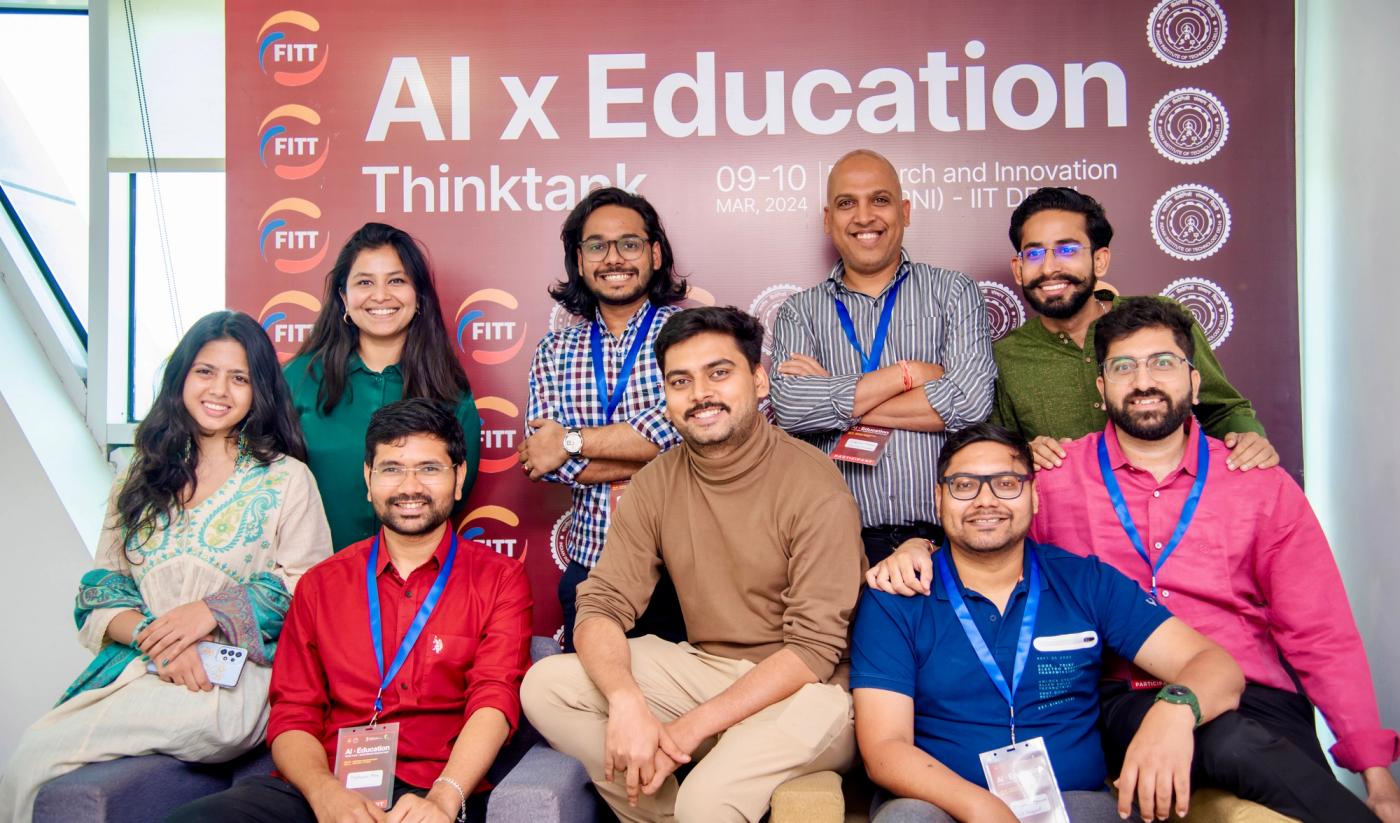
The third team examined Ethical Issues of AI for Parents. Their discussions focused on trust, privacy, safety, digital literacy and the challenges parents may face as children increasingly interact with AI-powered systems.
“The most valuable part of the Thinktank was not simply identifying what AI can do, but asking where it can create meaningful value for the people who actually experience the education system.”
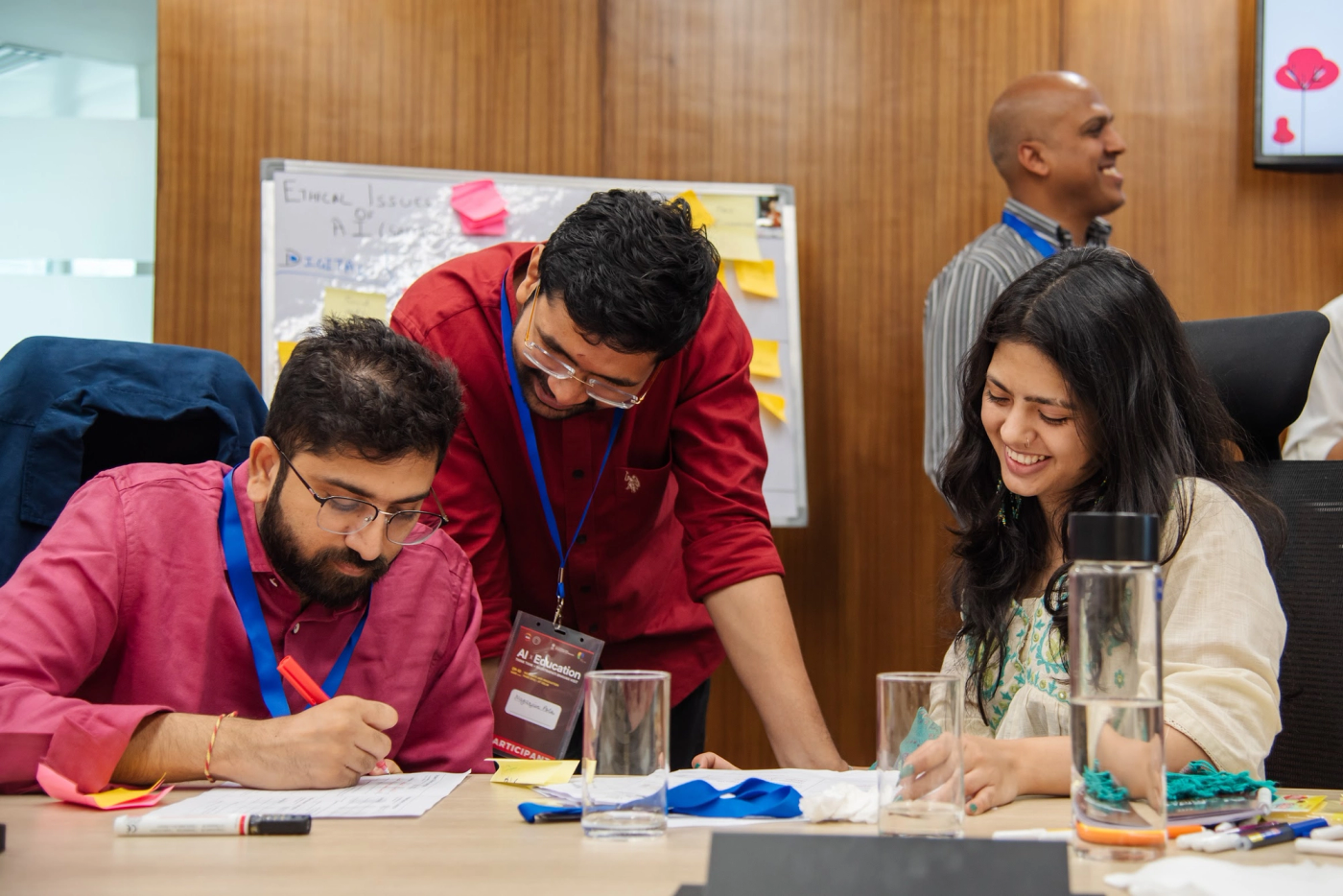
Rather than treating these as purely technology problems, the teams examined them through the experiences of the people at the centre of each challenge. This helped ground the discussions in real-world contexts and user needs.
A Different Start to Day Two
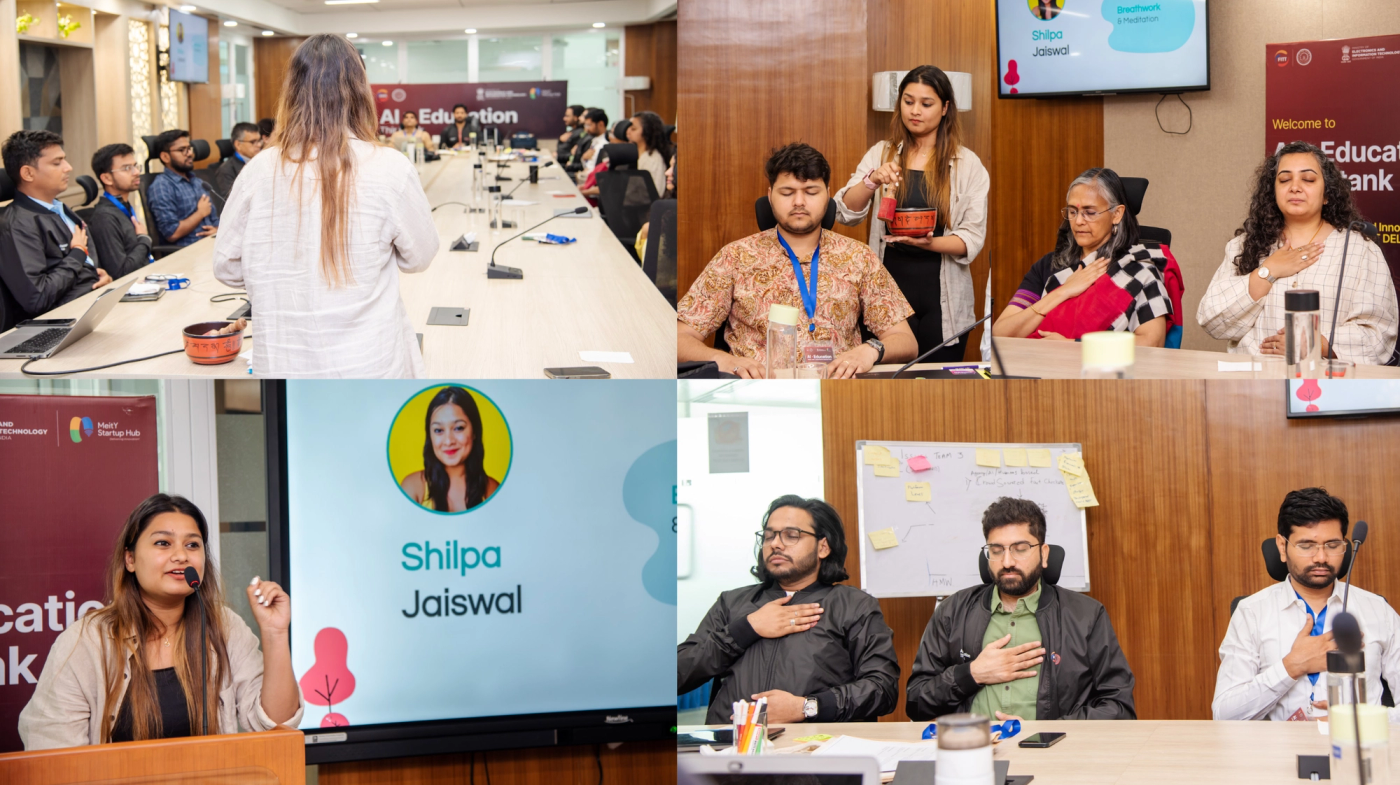
After an intensive first day of team discussions, the second day began with a change in pace. Shilpa Jaiswal led a sound healing and meditation session, giving participants time to pause and reset before returning to the programme.
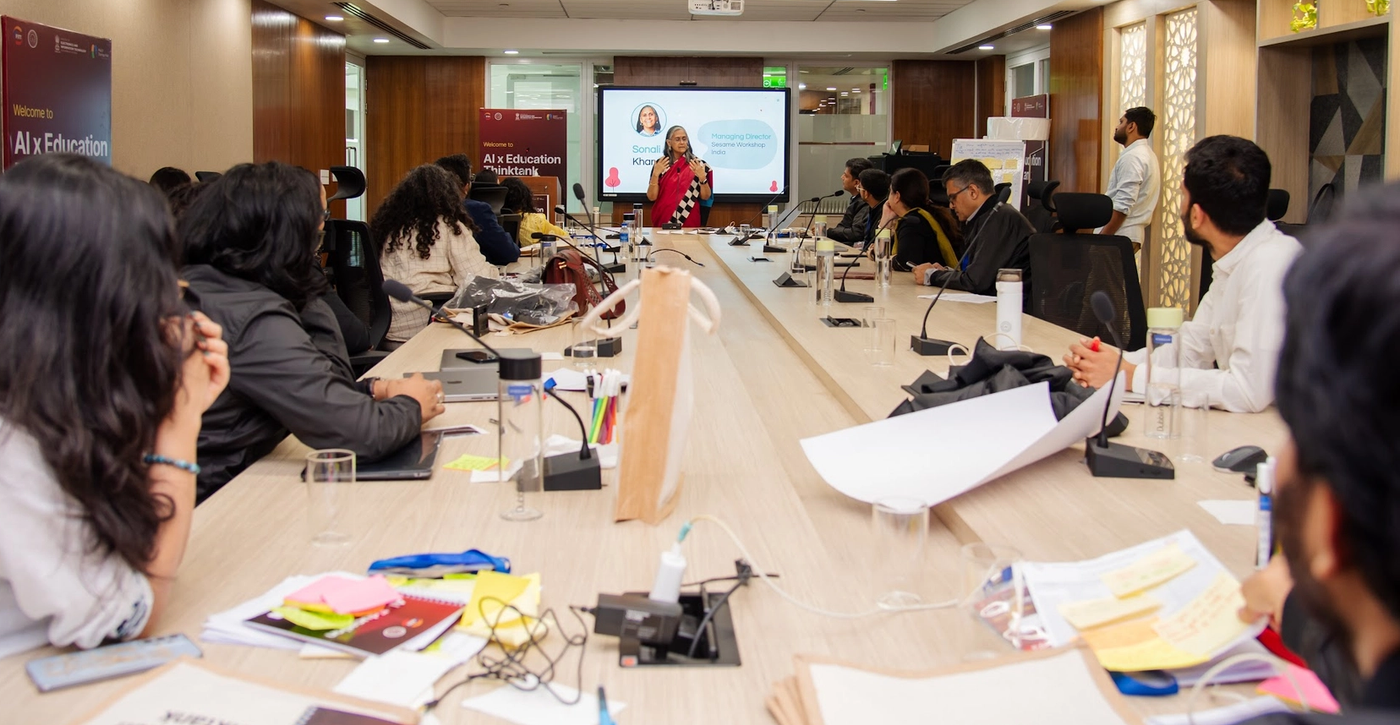
The morning then continued with a keynote by Sonali Khan, Country Head, Sesame Workshop, bringing a valuable perspective on children, learning and the broader role of technology in education.
Every participant also spent time with each team, engaging with their work and providing feedback as the ideas developed.
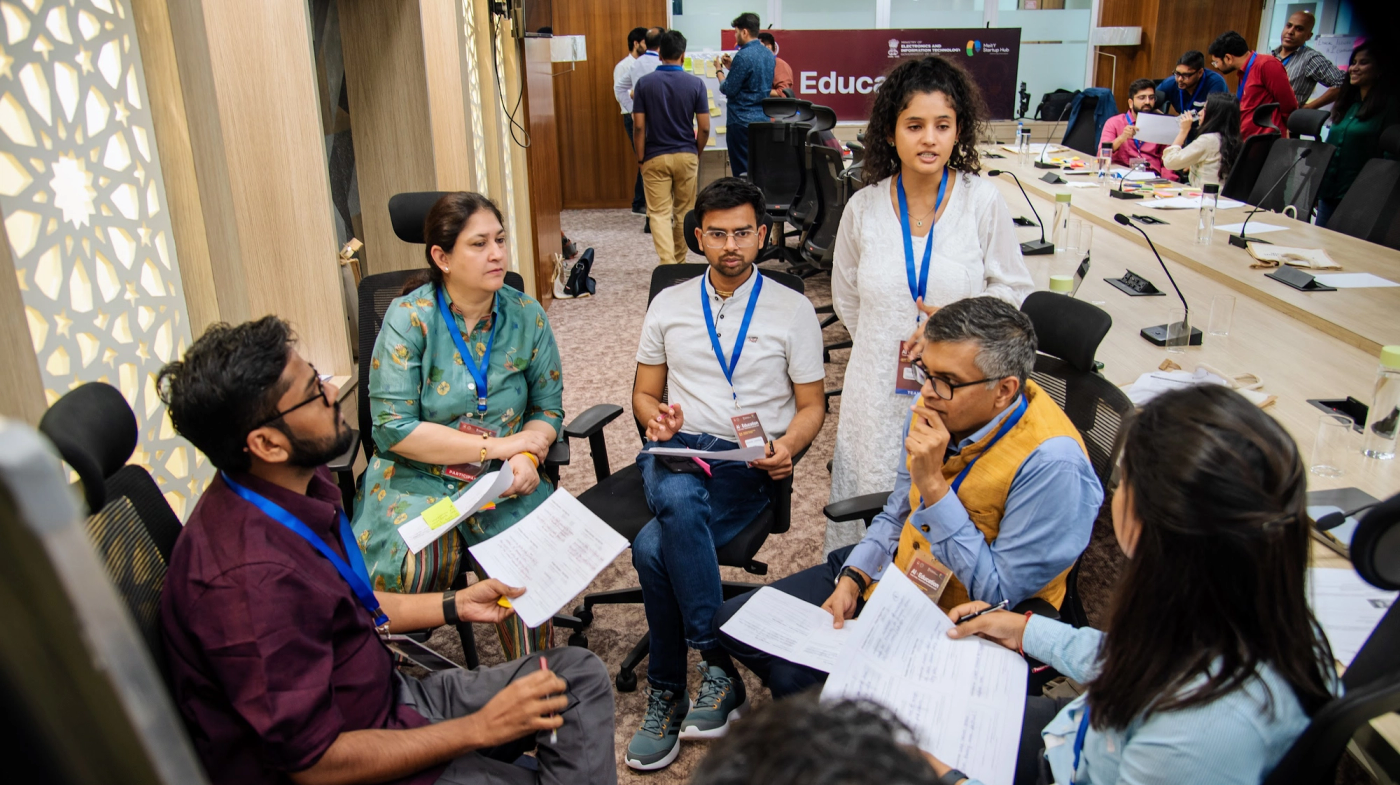
The combination of reflection, an external perspective and team-level feedback helped participants revisit their work before taking it to the larger group.
“Innovation becomes more meaningful when ideas are exposed to diverse perspectives, because constructive feedback can transform an interesting concept into a more actionable proposition.”
Putting the Ideas to the Test
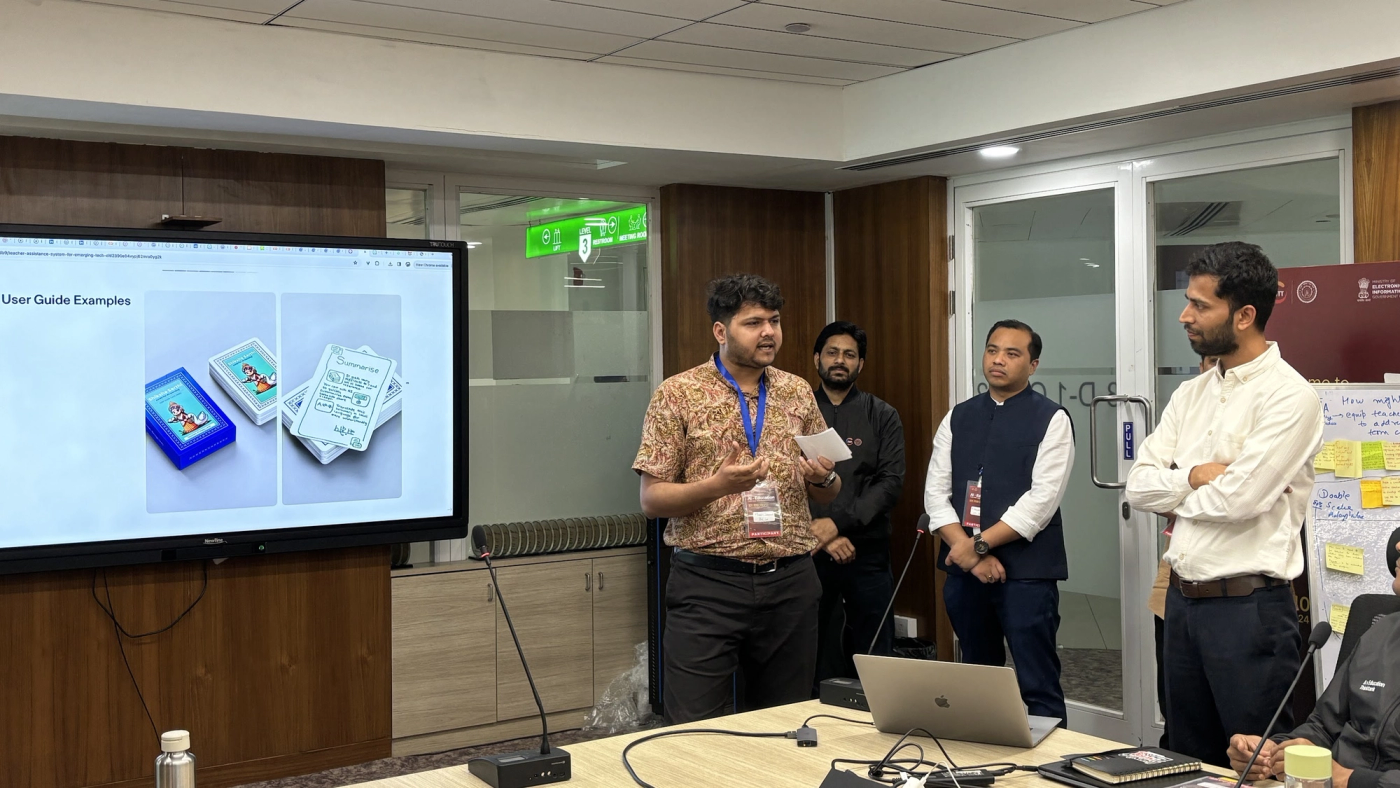
The teams then presented their work to the wider group.
This was an important transition in the programme. Ideas that had been developed within smaller teams were now opened up to a room full of people with different experiences and viewpoints.
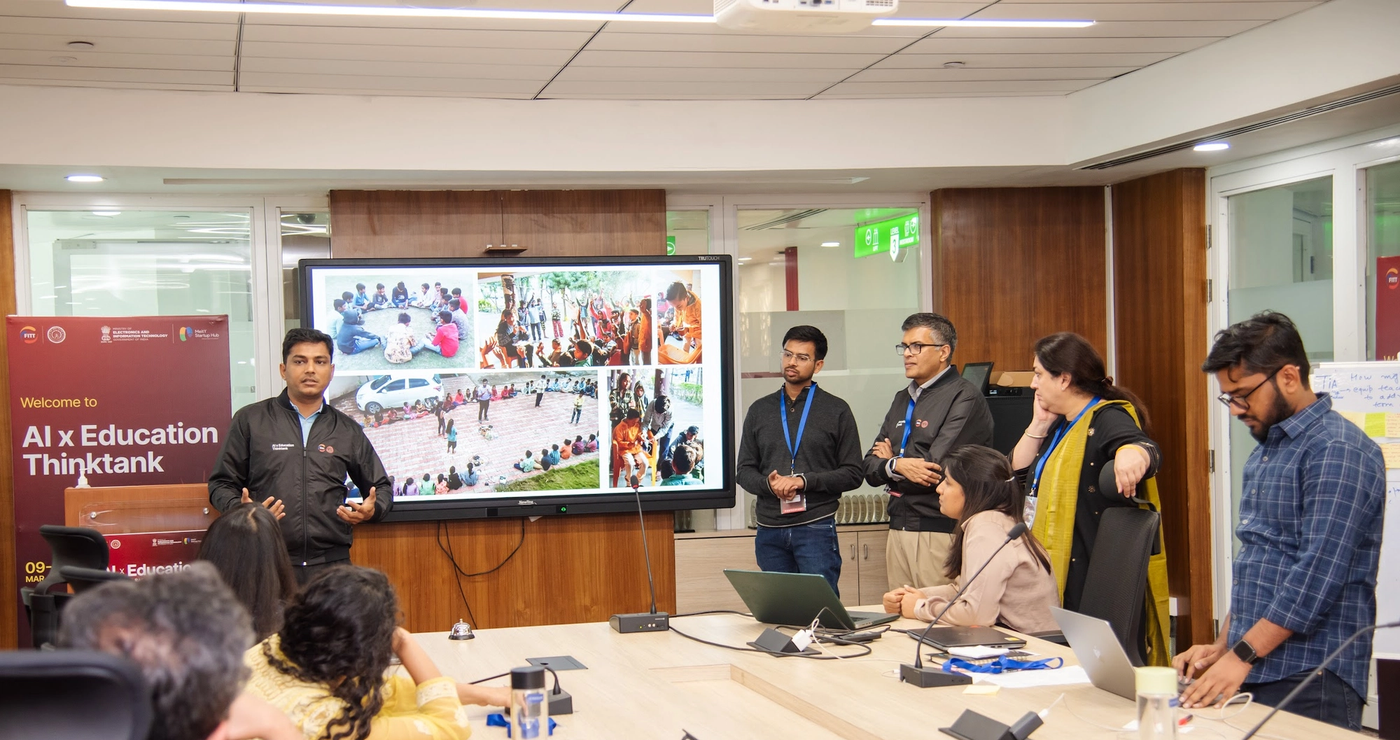
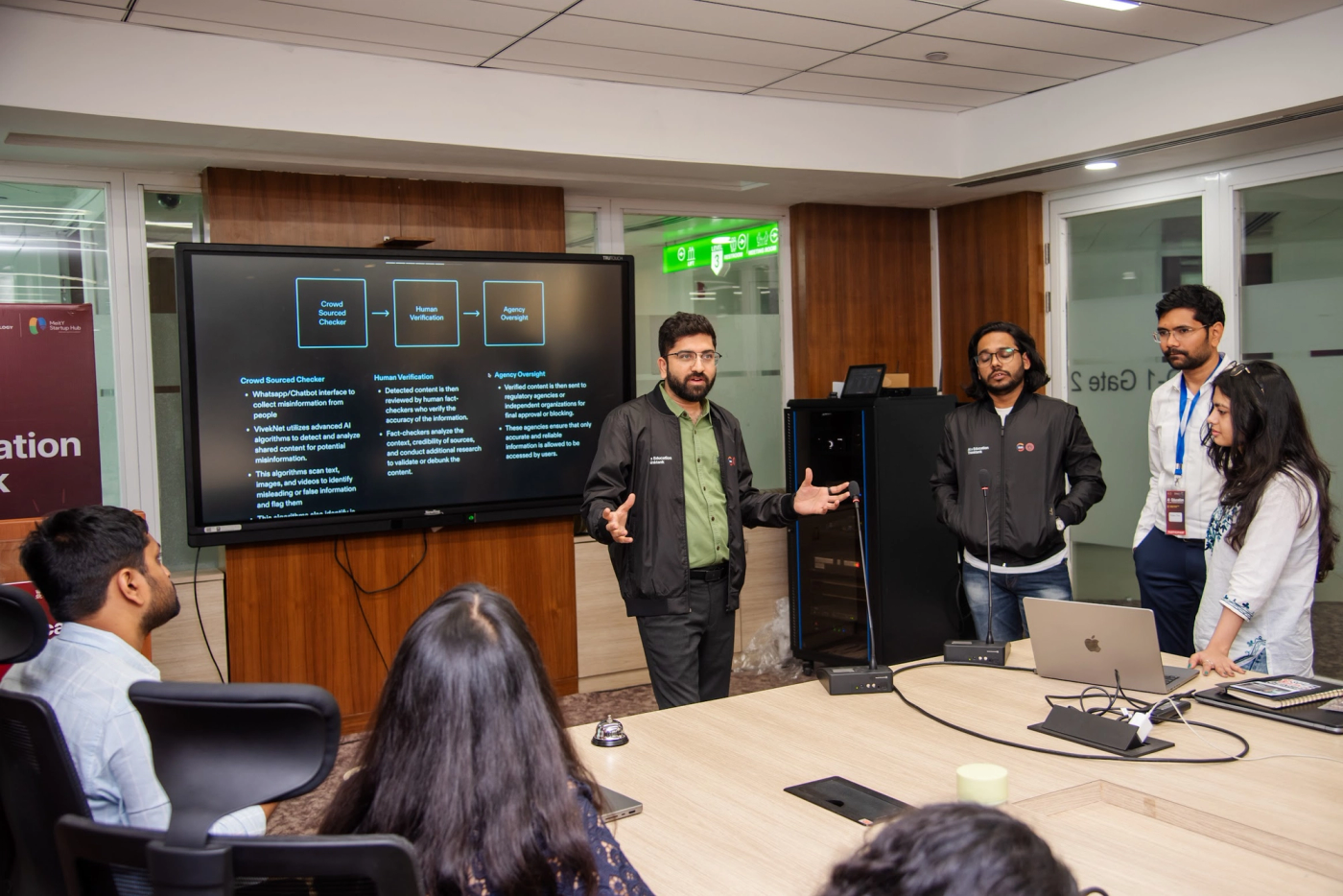
The presentations generated questions, suggestions and constructive challenges. Participants were able to test their assumptions and identify aspects of their ideas that needed greater clarity or refinement.
The focus was not on presenting a finished solution. Instead, the exercise helped teams develop clearer thinking around their proposed interventions and consider what a possible path towards implementation could look like.
Ending with Reflection
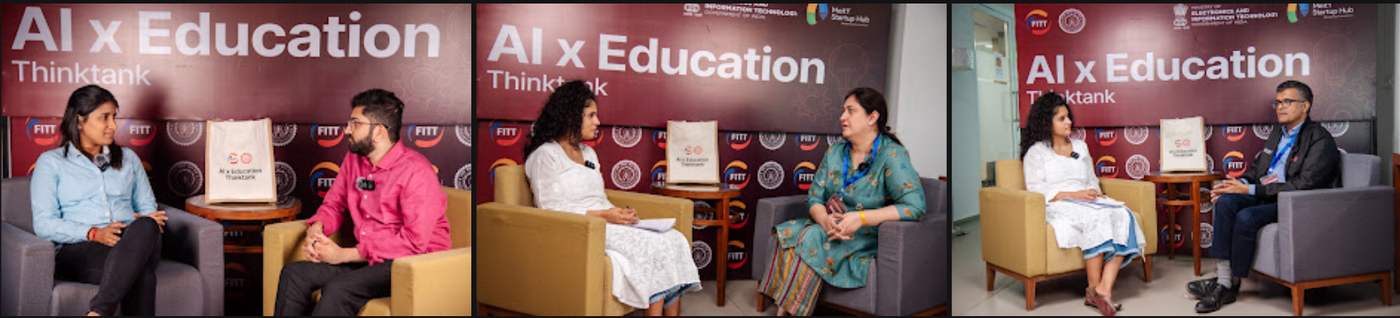
The final stage of the Thinktank created space for participants to reflect on the experience.
Participants shared what they had learned, which ideas had influenced their thinking and how the conversations could connect with their own work. These reflections provided a useful perspective on the value of bringing people from different sectors into the same room.
For many participants, the most useful takeaway was not necessarily a particular idea developed during the sprint, but the opportunity to look at familiar challenges through a different lens.
“A successful Thinktank is not defined by what happens inside the room alone; its real impact is reflected in what participants carry forward after they leave.”
That transition from a shared programme to individual action was an important part of the experience.
From Discussion to Experience
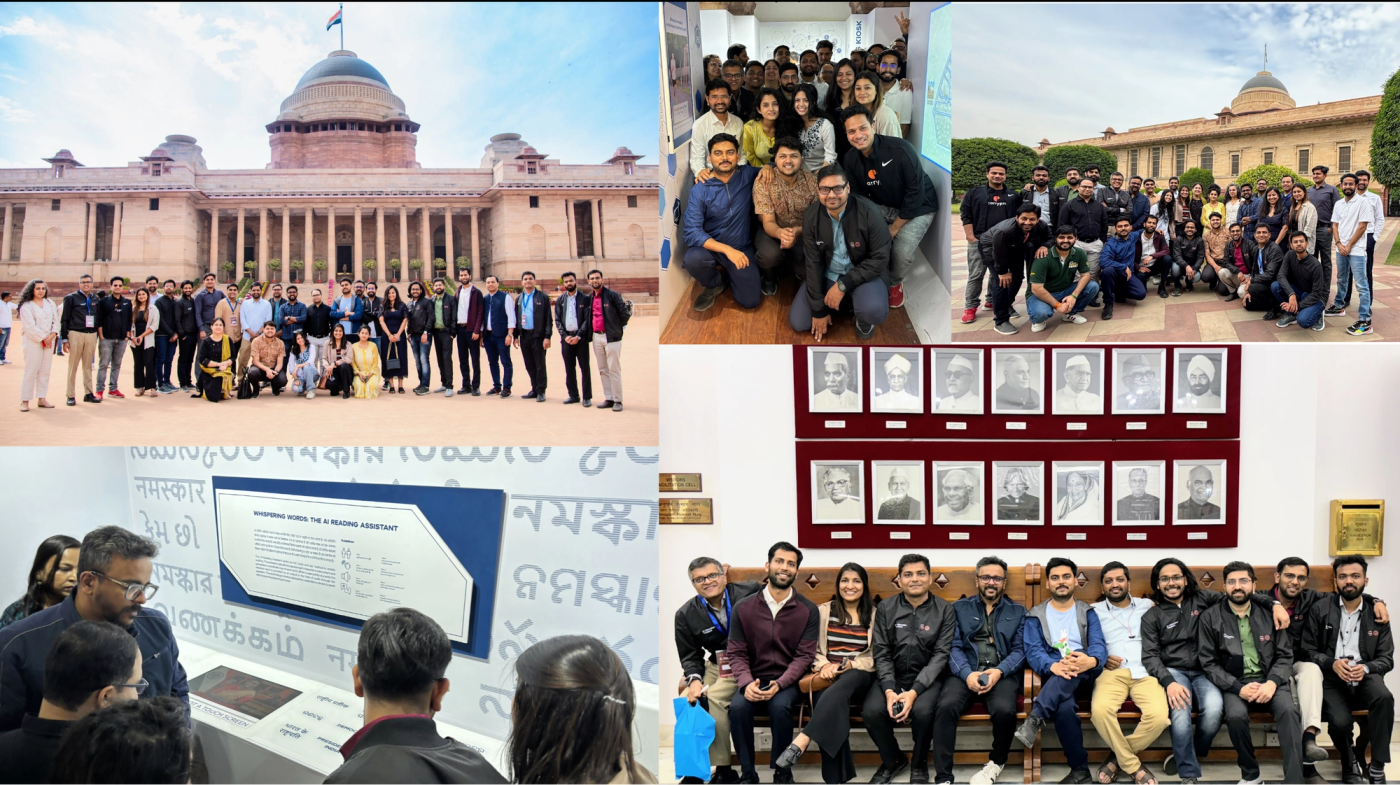
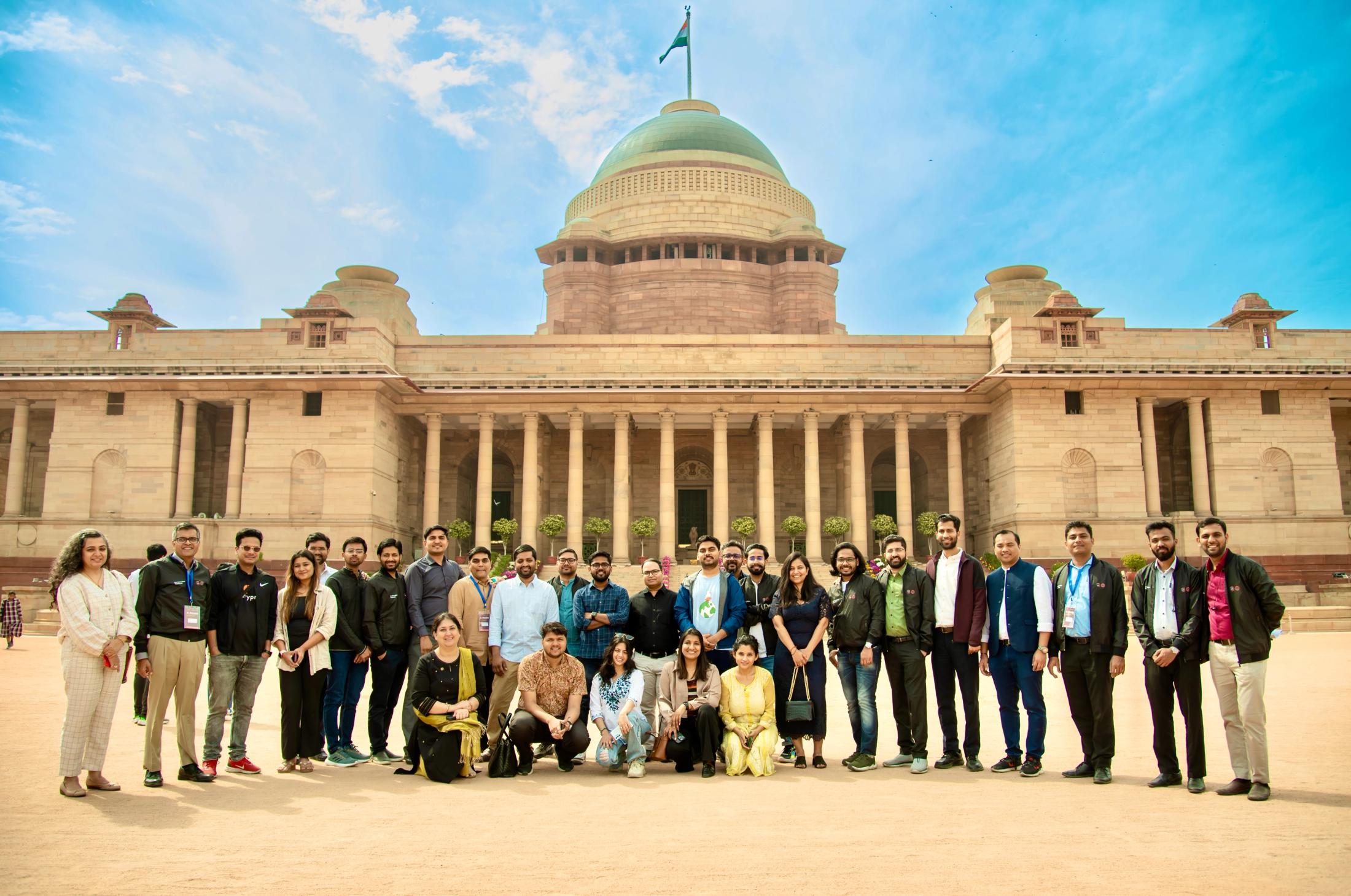
The programme continued after lunch with a visit to Rashtrapati Bhavan, where participants experienced the AI Experience Museum.
The visit added a different dimension to the Thinktank. After spending two days discussing possibilities and challenges around AI, participants could engage with an immersive AI experience firsthand.
There was also a direct connection to the work of the group. The AI Experience Museum had been conceptualised and created by participating BLDRs, giving participants an opportunity to see how ideas around emerging technology can translate into tangible experiences.
“When we move from discussing emerging technology to experiencing it, the conversation changes from possibility to perspective.”
The visit also provided a memorable conclusion to the programme, with participants coming together against the backdrop of the iconic Rashtrapati Bhavan.
What the Thinktank Reinforced
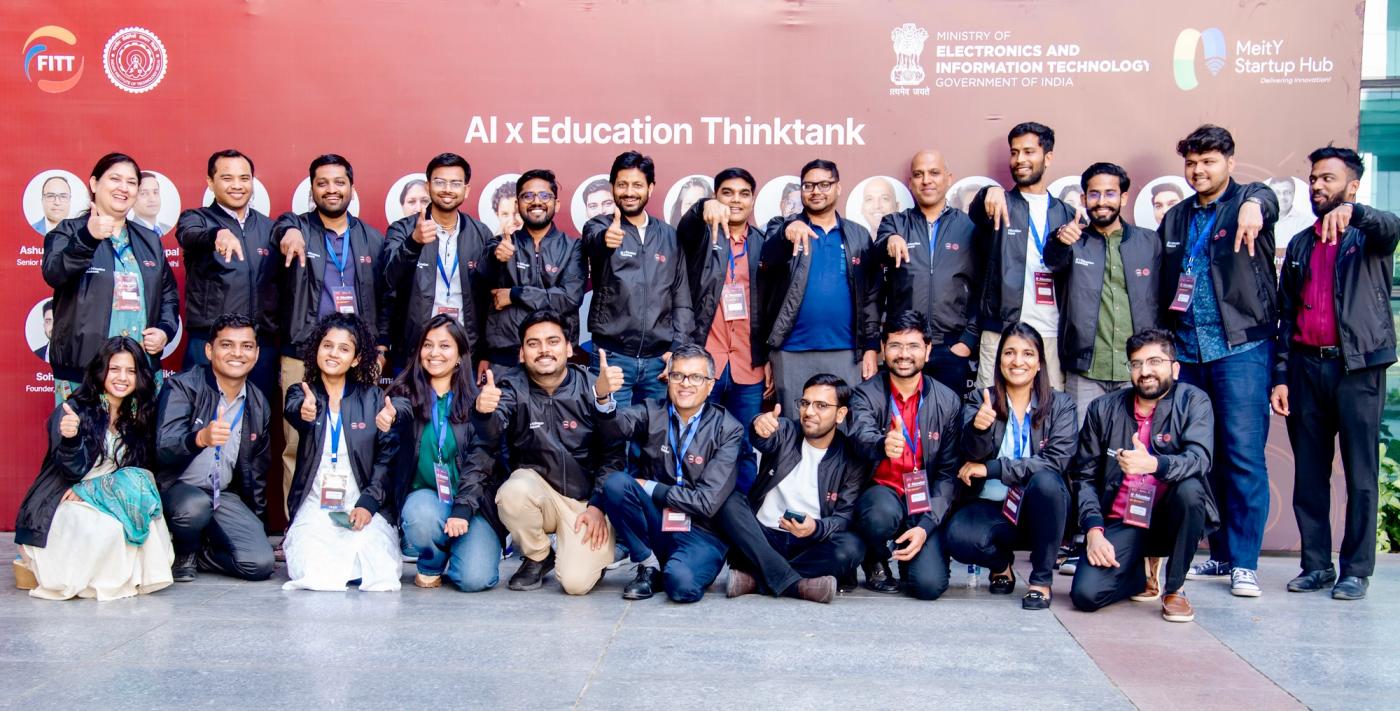
The AI × Education Thinktank demonstrated the value of creating structured spaces where different sectors can examine emerging technologies through a shared problem-solving lens.
AI in education is not simply a question of adopting new tools. It involves decisions around accessibility, pedagogy, ethics, trust, inclusion and the changing relationship between technology and people.
For BLDR Collective, the Thinktank was an opportunity to bring these dimensions into one experience and create a space where participants could explore them collectively.
“The goal is not to make education more technological for the sake of technology, but to explore how technology can make learning more inclusive, accessible, responsible and human.”
The conversations started at the Thinktank will continue to evolve as AI itself evolves. What matters is ensuring that these conversations remain grounded in the experiences of students, teachers, parents and communities, while bringing together the people and institutions capable of turning thoughtful ideas into meaningful action.
The AI × Education Thinktank was one step in that ongoing journey.
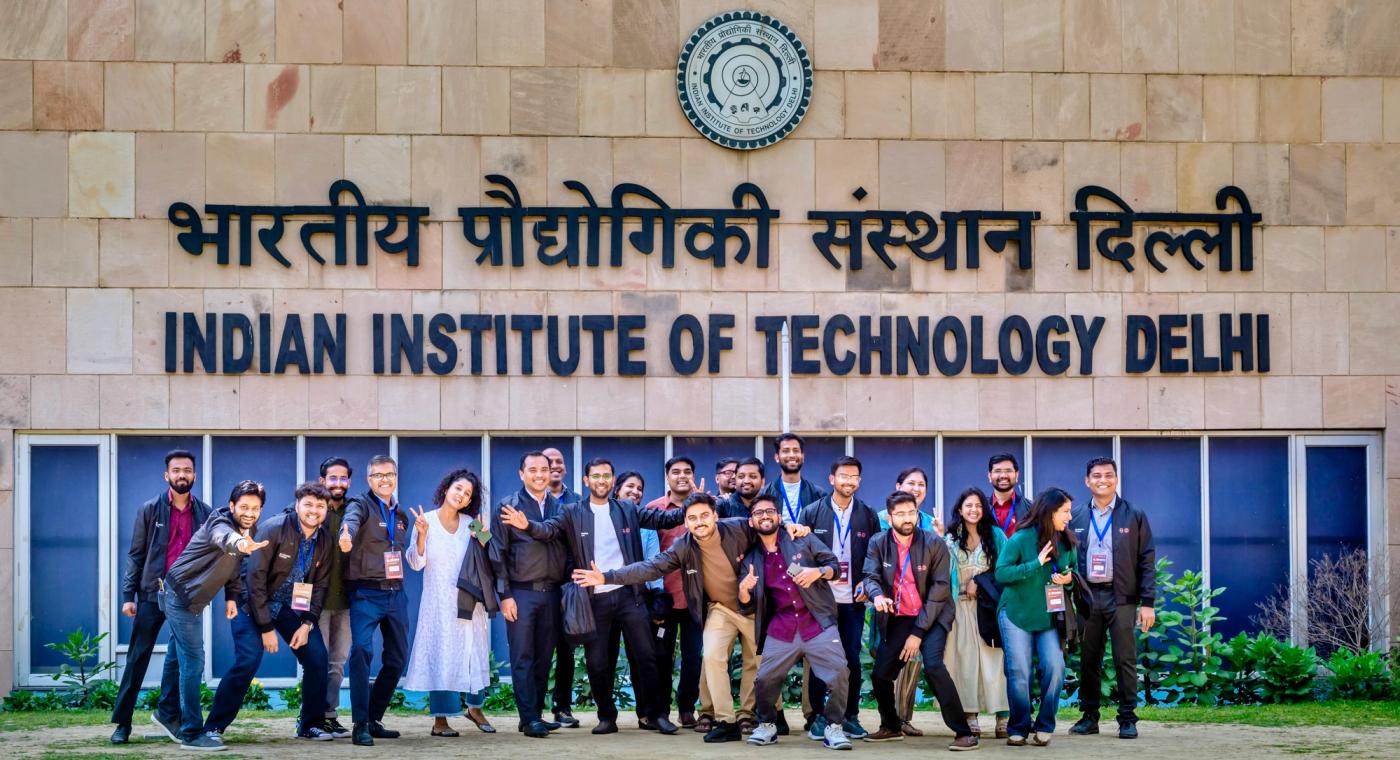
Also, special thanks to our Co-Facilitators and Host organisation for making this idea a reality. Without them this thinktank wouldn’t be possible.