Field notes
From Ideas to Impact: Inside Our Emerging Tech ThinkTank at CIIE, IIM Ahmedabad
An inside look at our Emerging Tech ThinkTank at CIIE, IIM Ahmedabad, where innovators and ecosystem leaders came together to explore emerging technologies and turn ideas into actionable pathways for impact.

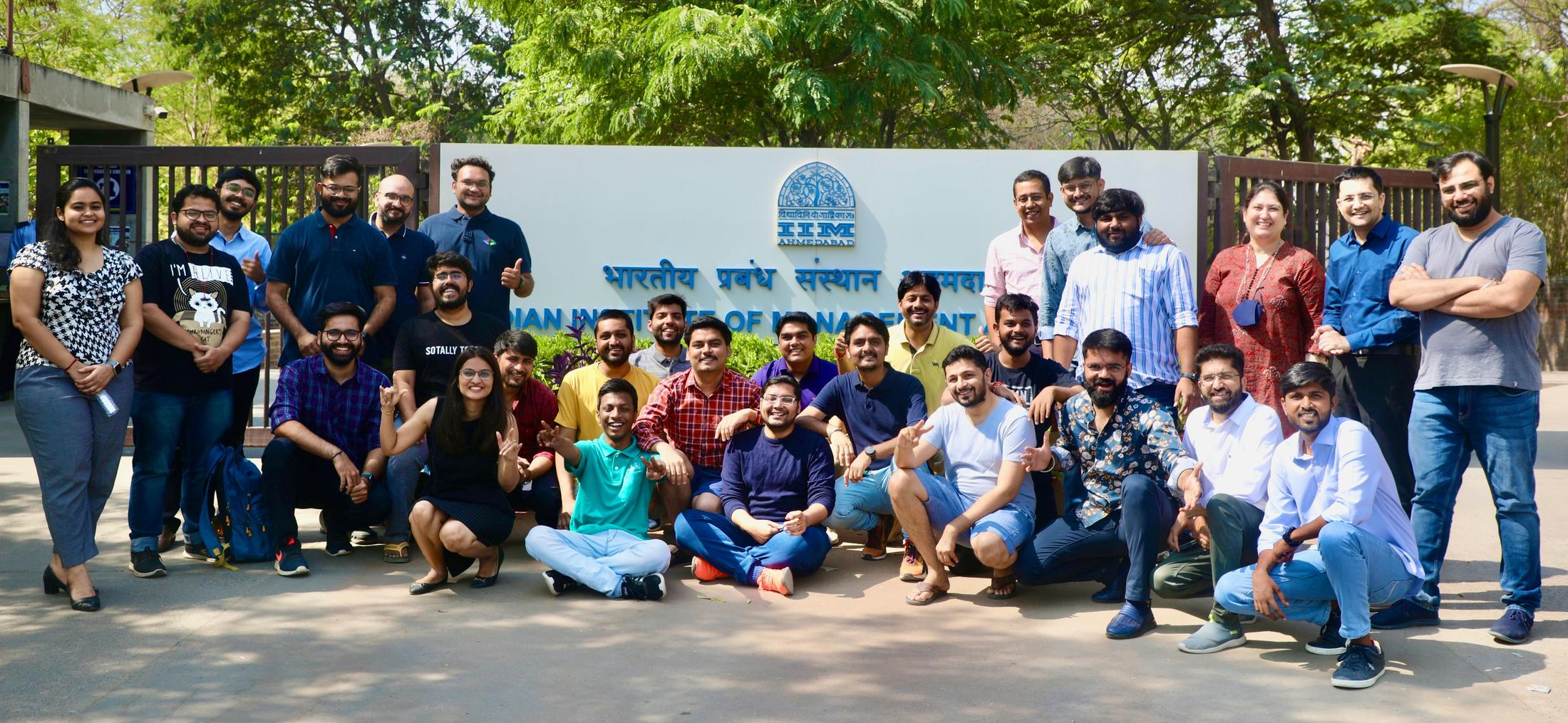
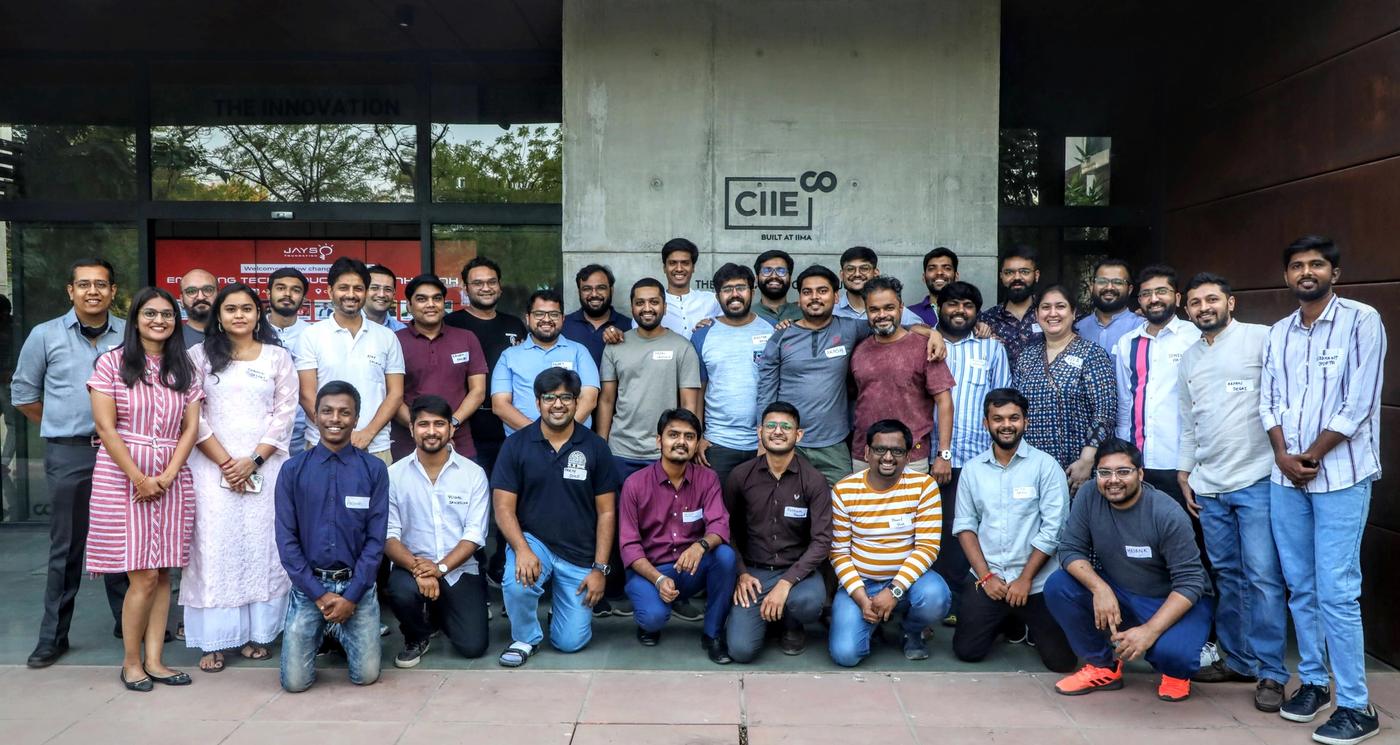
What happens when more than 30 technology and academia leaders from across India come together for two days with one shared objective to explore how emerging technologies, particularly artificial intelligence, can solve real problems across education and the workforce? That was the question at the heart of the Emerging Tech ThinkTank we hosted at CIIE, IIM Ahmedabad, in partnership with Jayso Foundation. Designed as an immersive, all expenses paid experience, the ThinkTank brought together diverse perspectives and expertise to explore practical applications of AI for teachers, school students, and the workforce. Rather than creating another conference where participants simply listened to panels and presentations, we wanted to create a space where people could think together, challenge assumptions, develop solutions, and take their ideas closer to implementation.
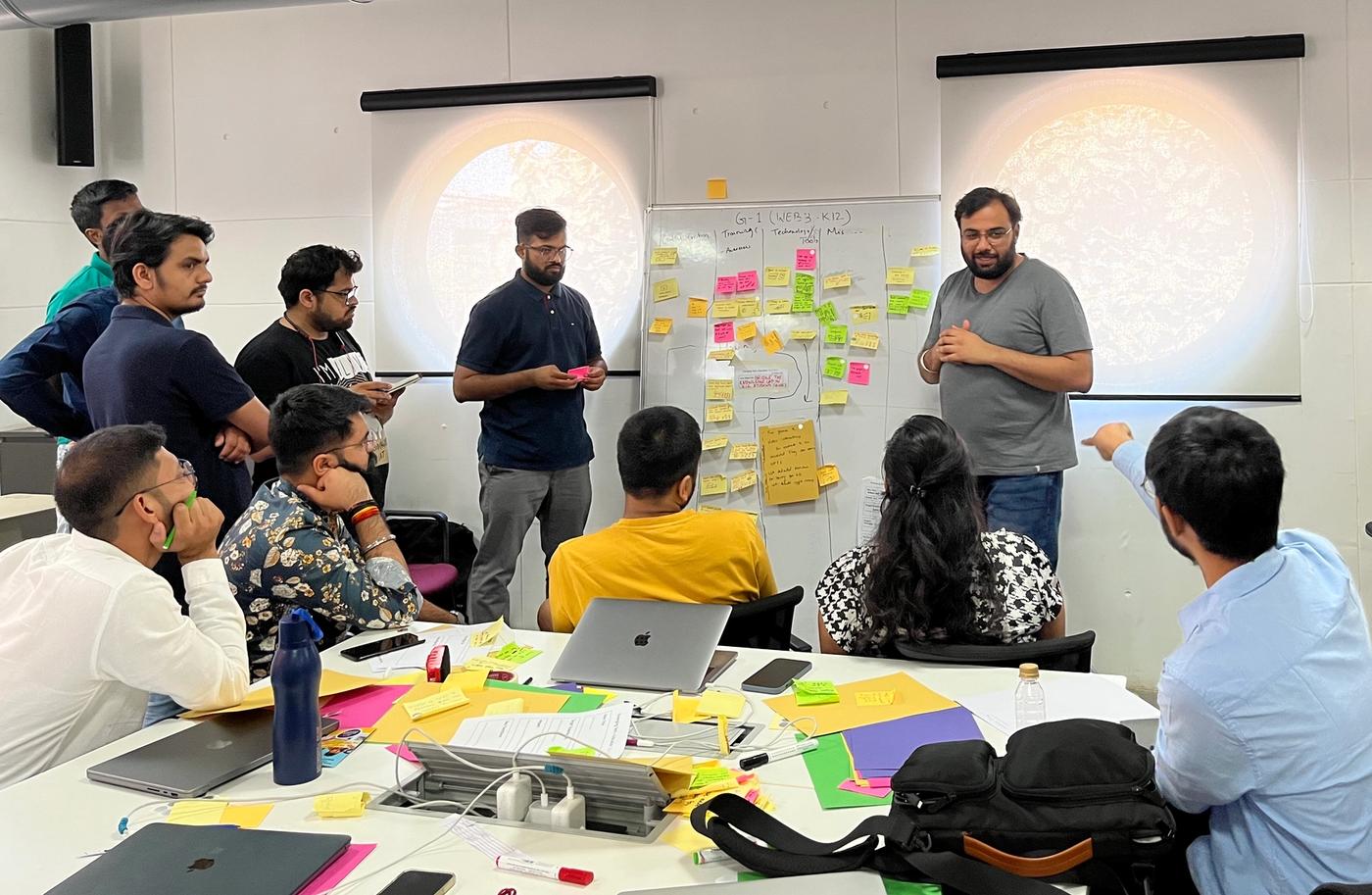
The ThinkTank was organised around three broad areas: AI for Teacher Training, AI for K12 education, and Emerging Technology for the Workforce. Participants were divided into collaborative groups and encouraged to approach their respective problem statements from multiple perspectives.
The diversity of the cohort became one of the strongest assets of the experience. Technology leaders brought an understanding of emerging tools and platforms, while academics contributed perspectives from classrooms, research, pedagogy, and institutional environments. Bringing these viewpoints together helped the teams look beyond technology as an end in itself and instead ask where it could create meaningful value. As one of the central ideas guiding the discussions
“The real opportunity with AI is not simply to introduce a new technology, but to rethink how existing systems can work better for people.”
The first day was therefore about opening up the problem space. Teams spent time understanding the challenges they were addressing, identifying gaps, questioning existing approaches, and exploring where AI could potentially make a difference. The conversations moved quickly from broad possibilities to specific use cases.
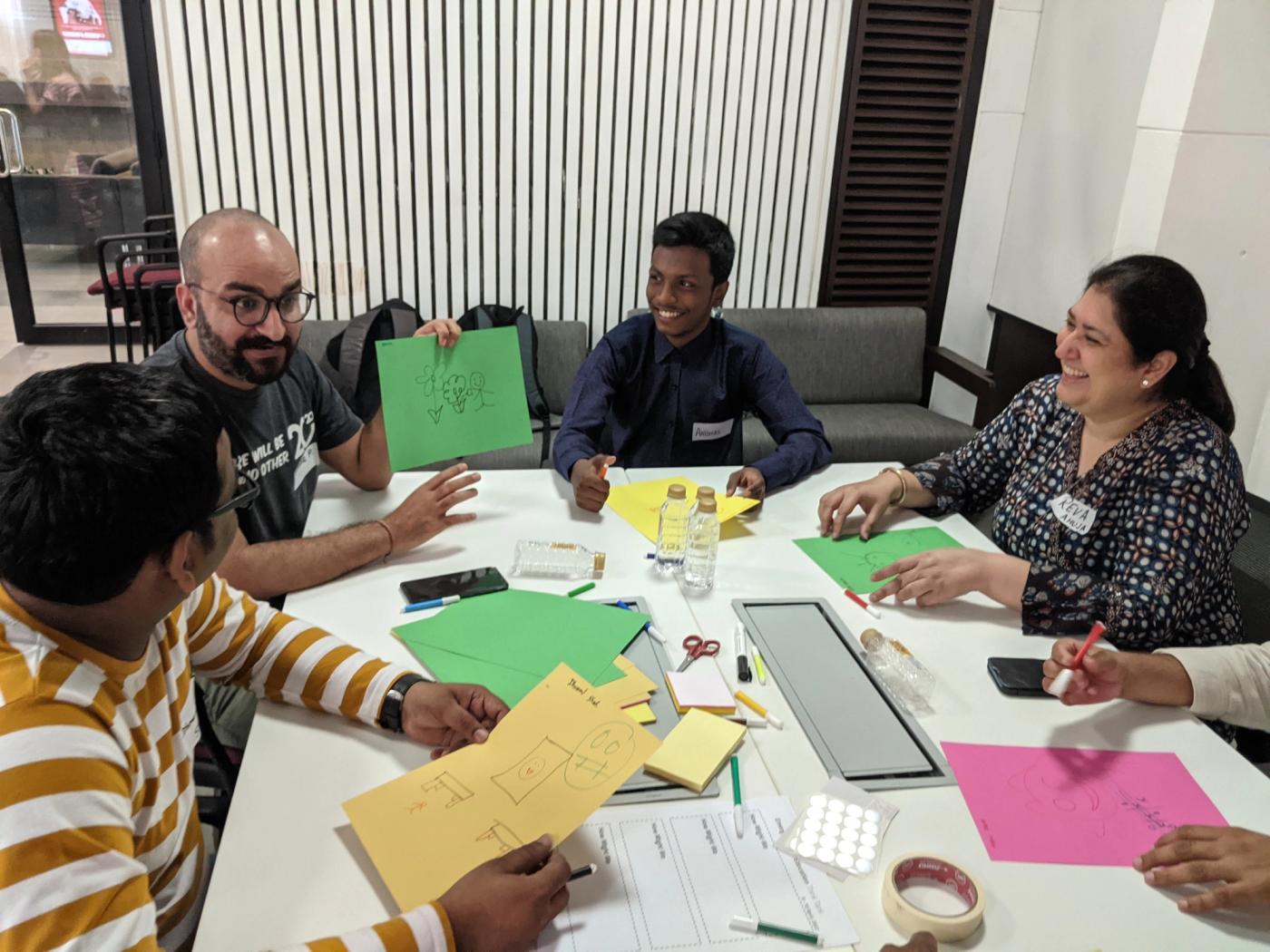
Instead of asking what AI could theoretically do, participants began asking more practical questions: What problem are we solving? Who experiences it? What does the current journey look like? Where can technology genuinely improve the experience? And perhaps most importantly, what would it take to make the idea usable beyond the ThinkTank? This shift—from technology-first thinking to problem-first thinking—became an important part of the process.
“Innovation becomes meaningful when we stop asking what technology can do and start asking what people actually need.”
The second day brought another important layer to the experience: mentorship and cross-pollination of ideas. Experts moved between groups, offering guidance, challenging assumptions, sharing their experiences, and helping teams refine their thinking.
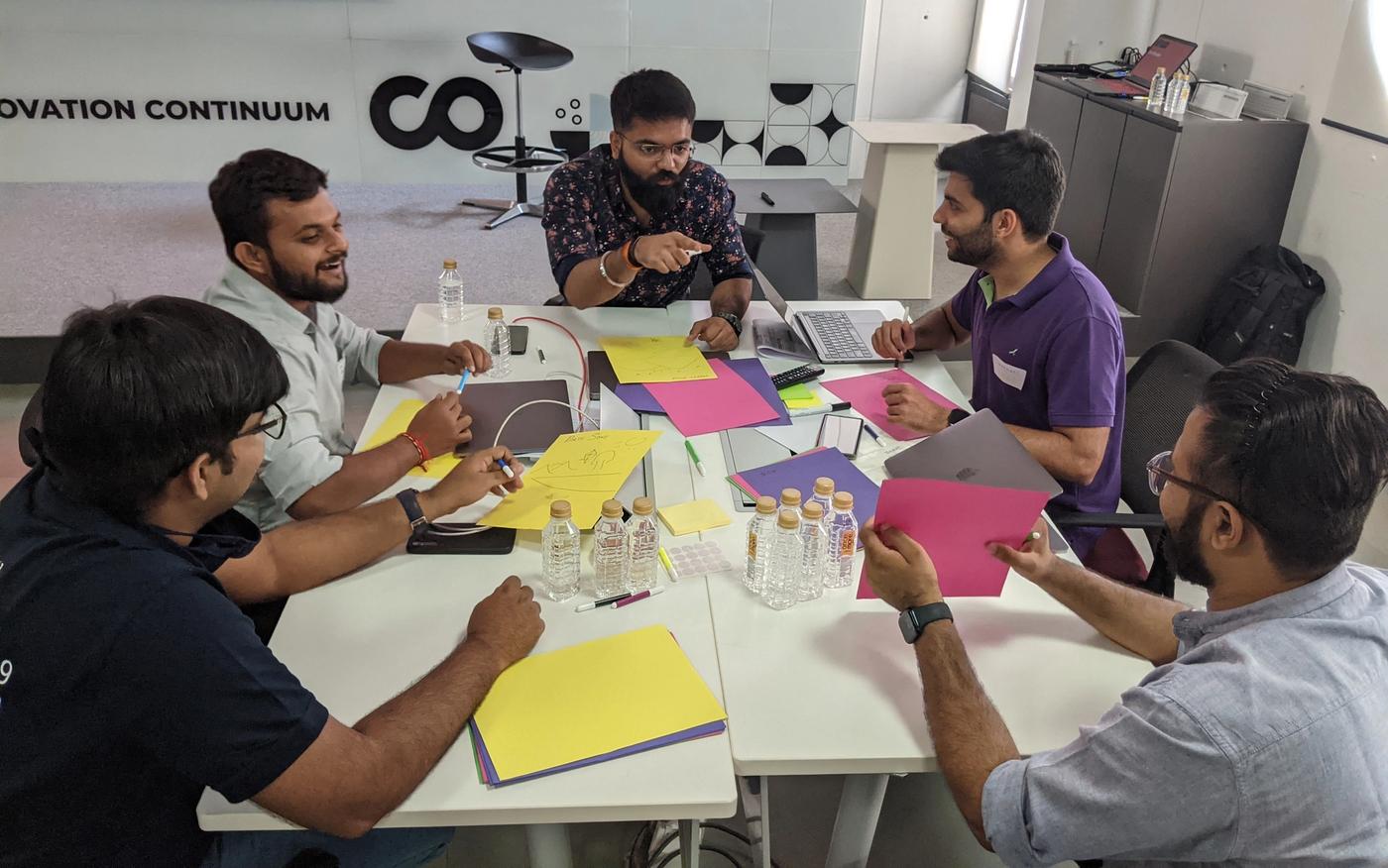
Participants were not working in isolation; they were continuously learning from one another. An idea that seemed promising in the morning could be challenged by another perspective in the afternoon, while a seemingly complex problem could become more approachable after a conversation with someone from a completely different domain. This process of constructive questioning became the backbone of the ThinkTank.
“The strongest ideas rarely emerge fully formed; they become stronger when they are exposed to different perspectives, tested through questions, and refined through collaboration.”
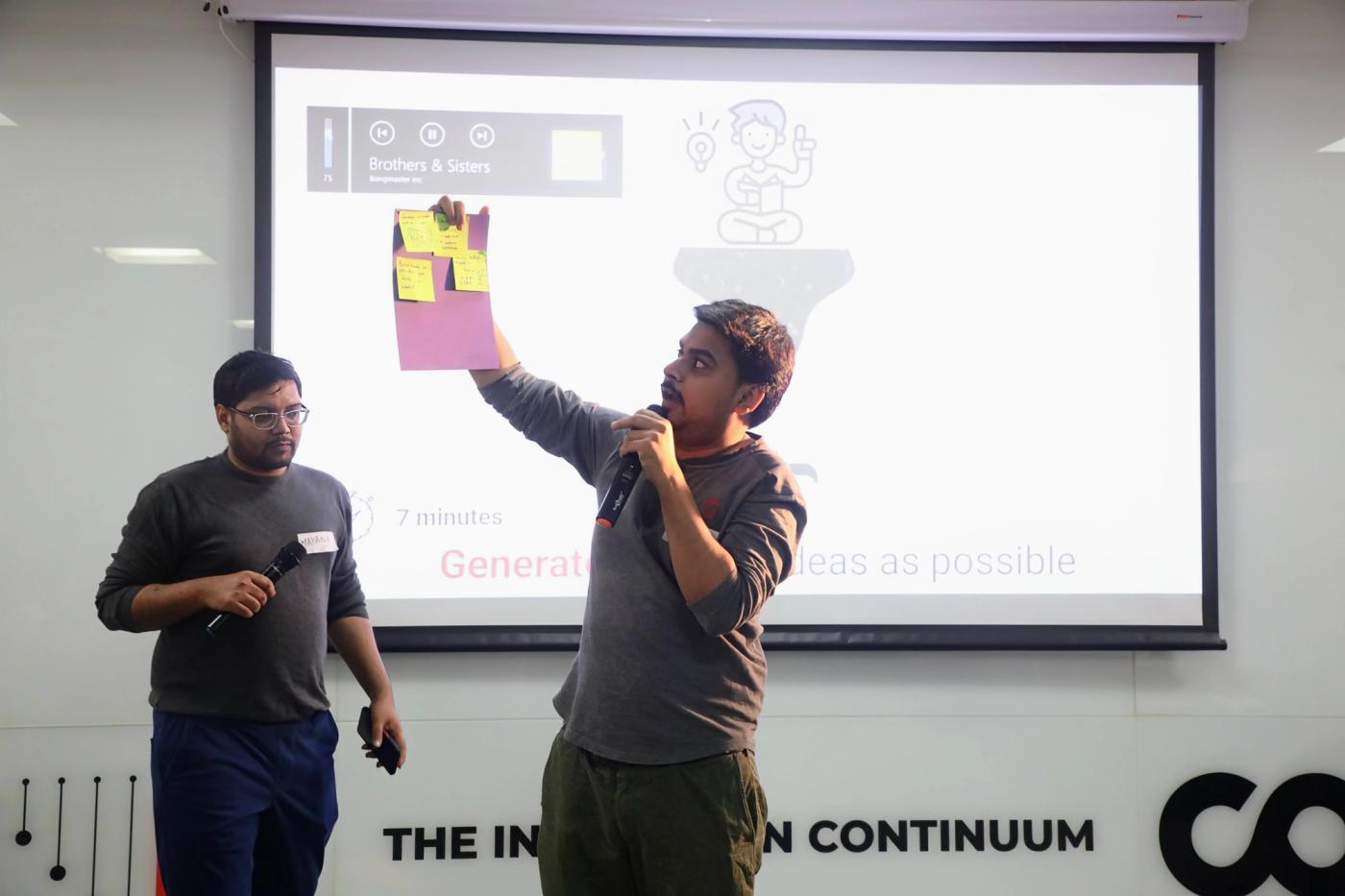
As the teams progressed, the focus gradually shifted from identifying opportunities to shaping tangible solutions. Each group developed its own set of ideas around its respective problem area, with some concepts going through multiple rounds of refinement. The emphasis remained on practicality: could the solution be tested, demonstrated, and eventually implemented? This made the ThinkTank different from a conventional ideation exercise.
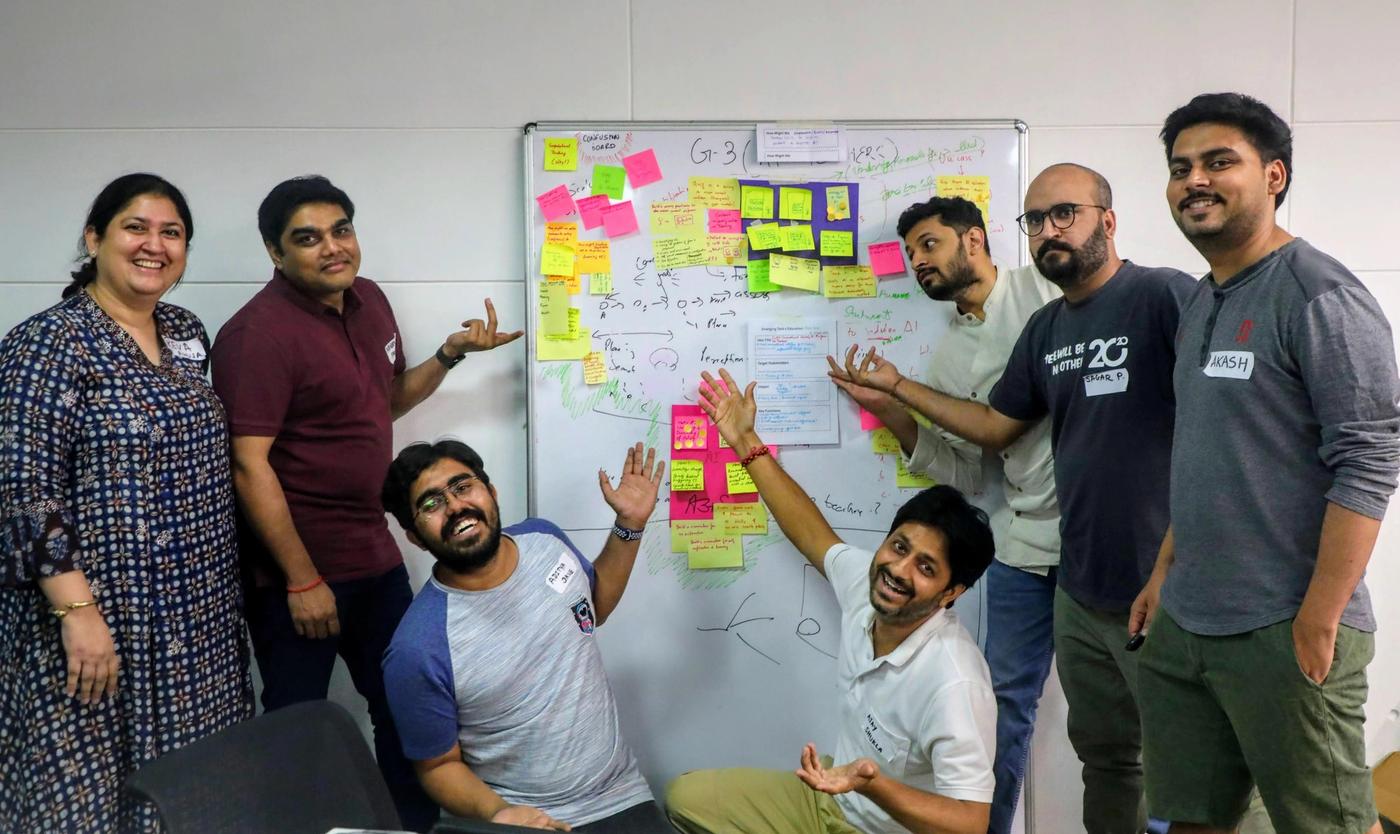
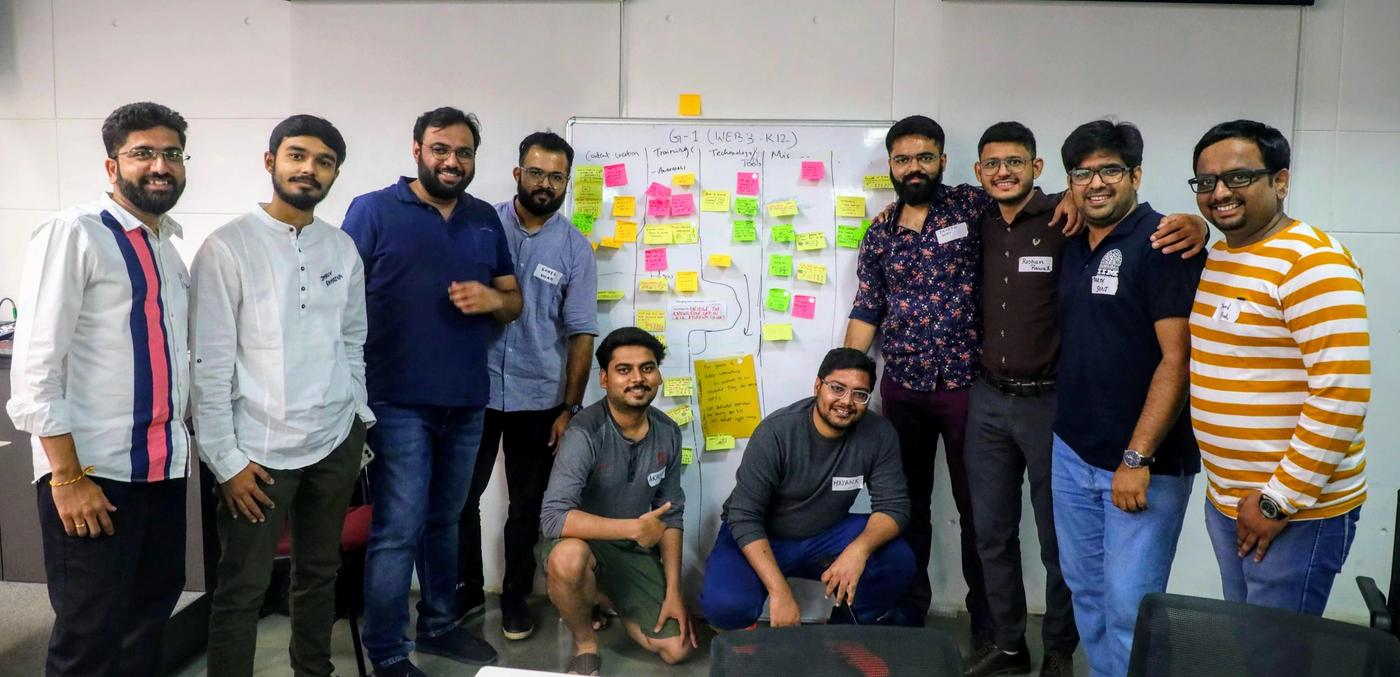
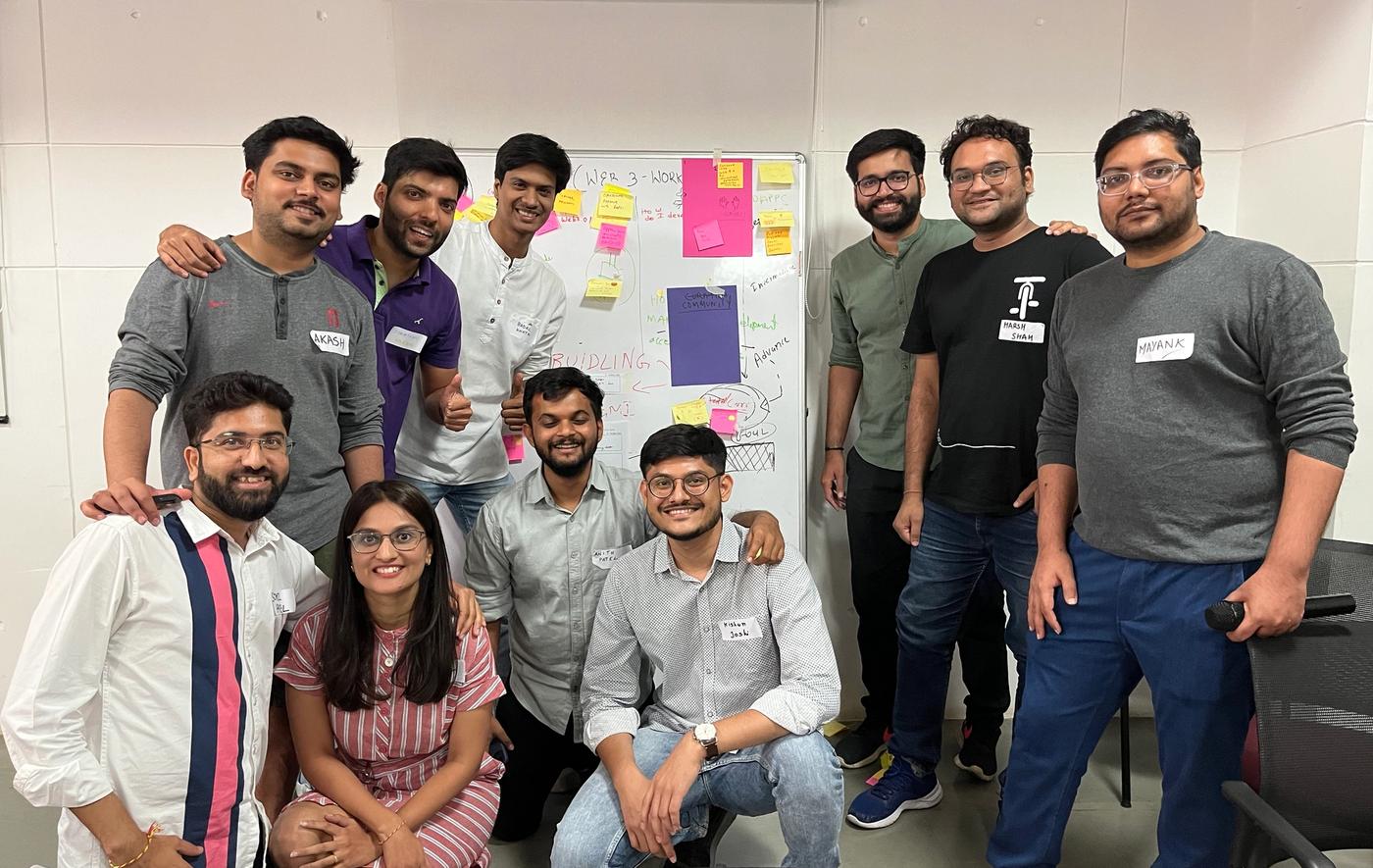
The ambition was not to leave behind a collection of presentations but to create ideas with a pathway towards experimentation and real-world use.
“A ThinkTank should not end with a presentation; the real measure of its value is what happens to the ideas after the room is empty.”
That transition from ideas to implementation became particularly meaningful when some of the solutions developed through the ThinkTank were further refined and eventually implemented as showcase experiences at the AI Experience at the Hon'ble President's House of India. Seeing concepts that originated in a collaborative workshop environment move towards a public showcase demonstrated what can happen when the right people, questions, mentorship, and ecosystem come together.
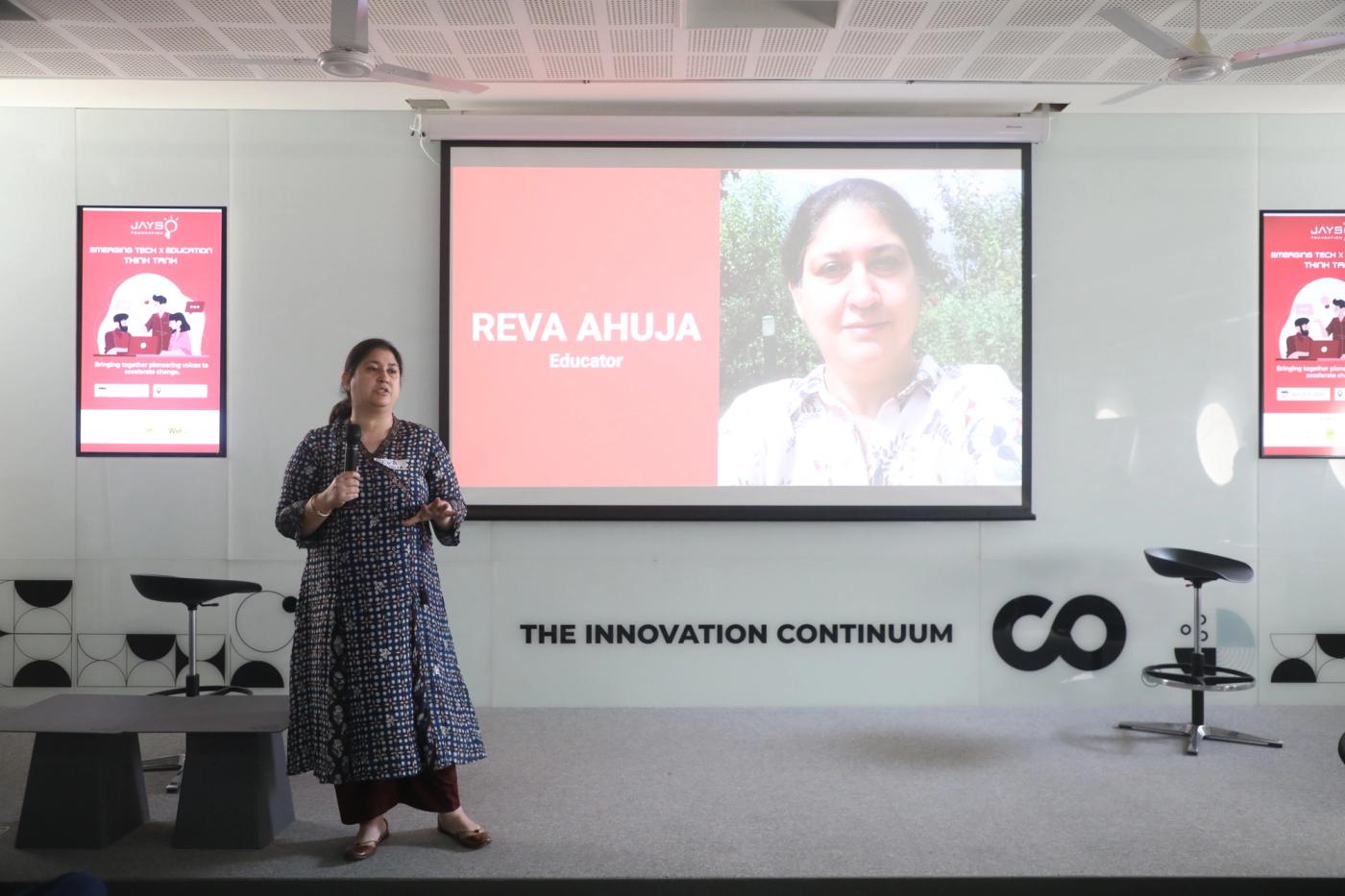
It also reinforced an important principle behind the initiative: innovation does not always require starting with a finished solution. Sometimes, it begins by bringing the right people together and giving them the time and environment to work on meaningful problems.
“The journey from an idea to impact is rarely linear; it is built through iteration, feedback, experimentation, and the willingness to keep improving.”
While the teams and problem statements gave the ThinkTank its structure, the relationships built during those two days gave it its character. There was a formal BLDRS Collective team and a Jayso Foundation team supporting the programme, but by the end of the second day, those boundaries had largely disappeared.
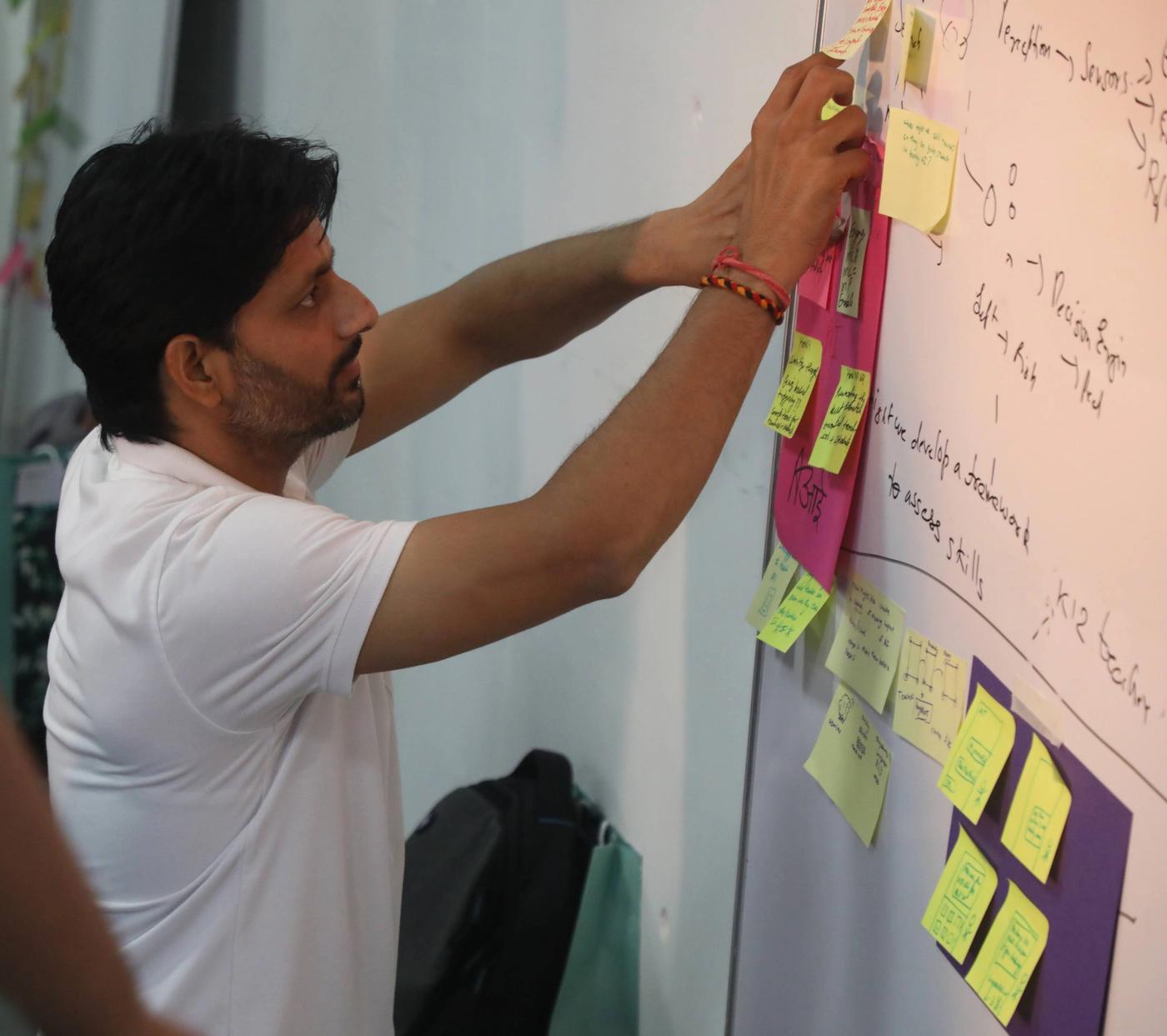
Participants, mentors, organisers, and partners had become part of one larger community. Conversations that started around specific problem statements naturally evolved into discussions about collaboration, future opportunities, and ways to take the ideas forward. The closing moments were therefore less about wrapping up an event and more about opening up possibilities for what could happen next.
“The most valuable outcome of bringing people together is often not the solution created in the room, but the relationships that continue building outside it.”
The ThinkTank also extended beyond the immediate work around AI and innovation. On the final day, participants visited Jayso Labs at CEPT University, Ahmedabad, home to India's first FabLab/Maker Space, established by the team. The visit offered an opportunity to experience a different side of the innovation ecosystem, one rooted in making, experimentation, prototyping, and hands-on learning.
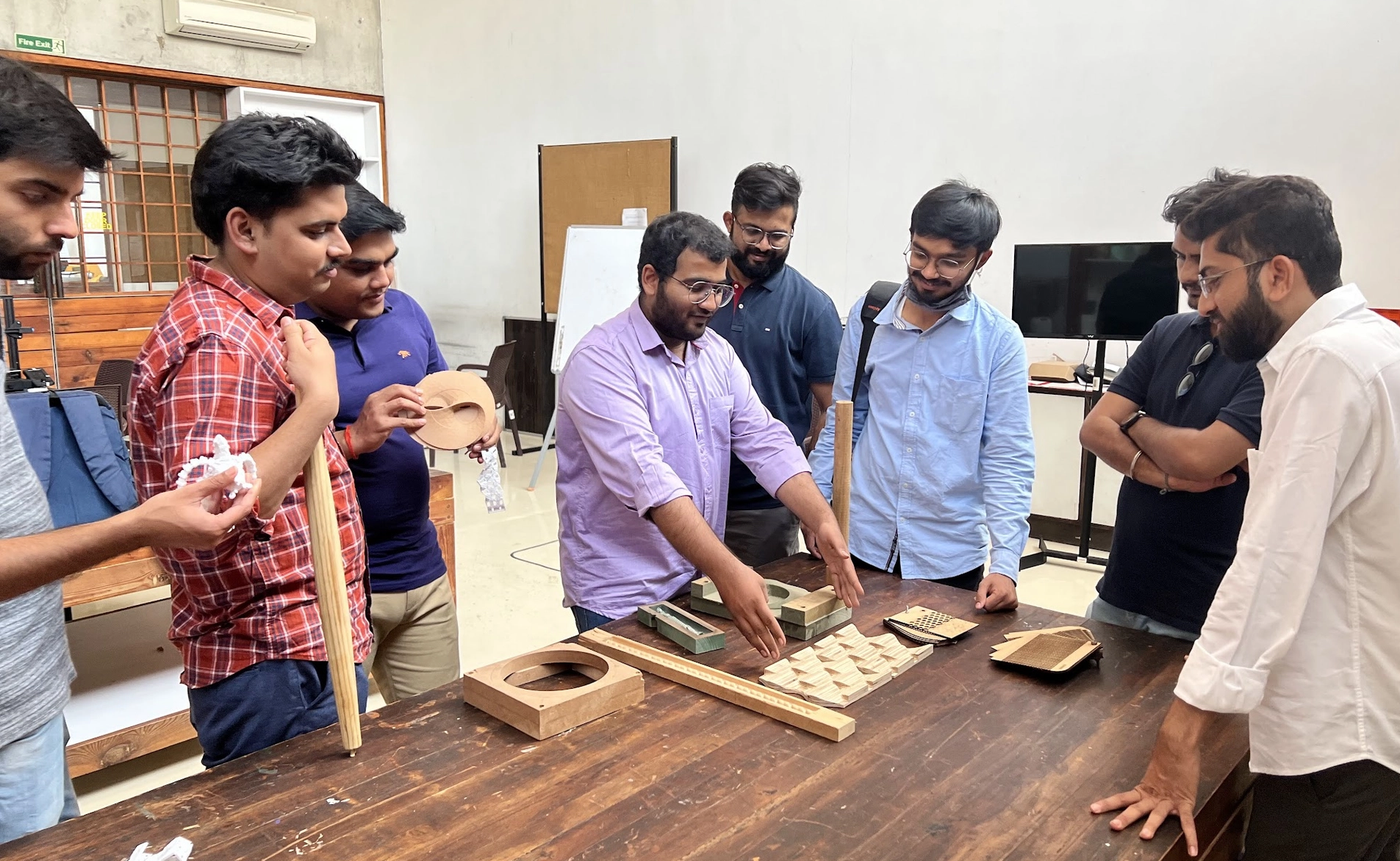
Participants were introduced to a space where builders can move from concepts to physical prototypes, experiment with tools and technologies, and develop skills that can contribute to both creative exploration and career pathways. The visit was a fitting extension of the ThinkTank itself because the underlying philosophy was similar: give people the right environment, tools, and community, and empower them to build.
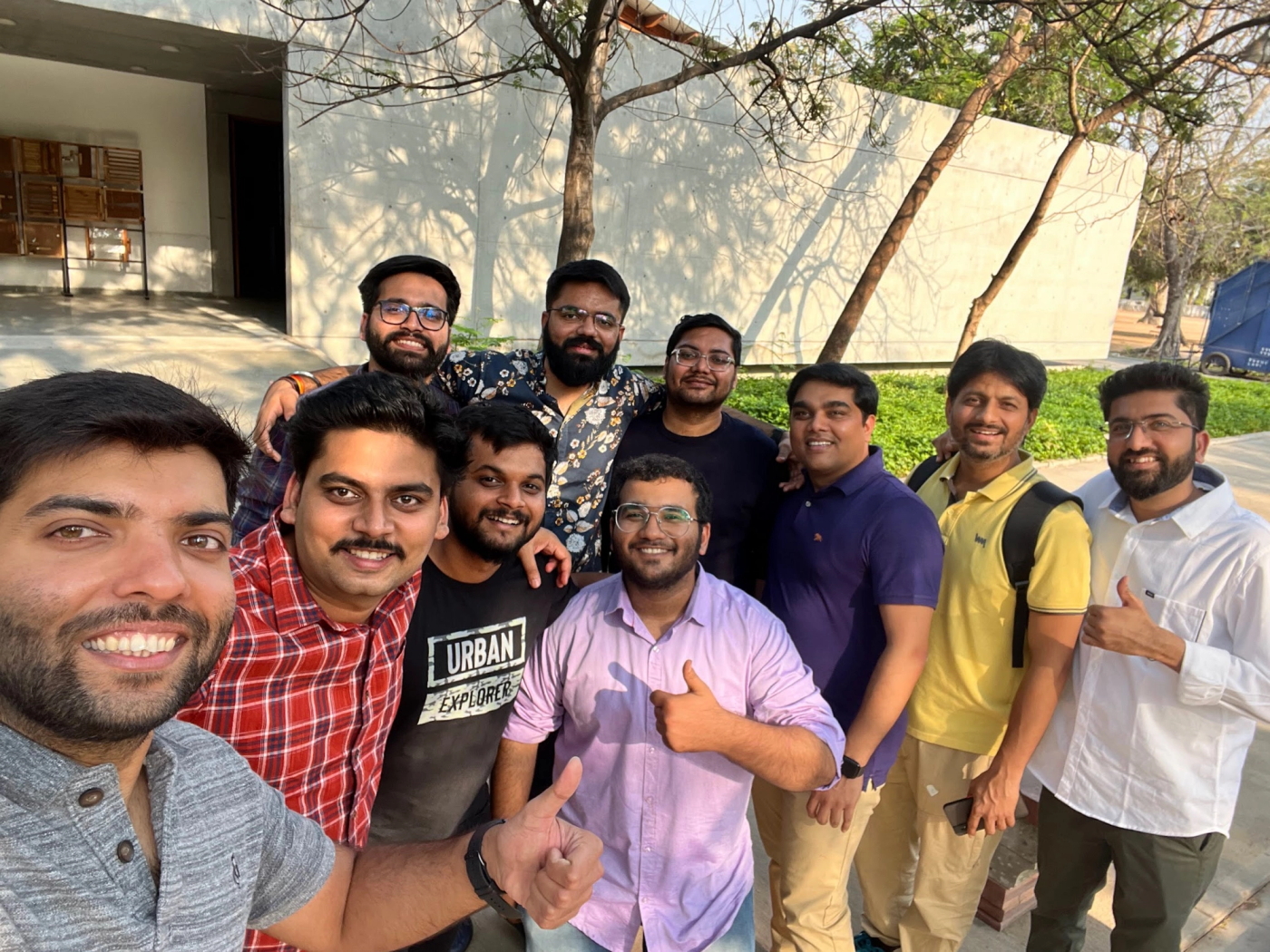
Looking back, the Ahmedabad ThinkTank was ultimately less about two days on a calendar and more about creating a process for collective problem solving. More than 30 leaders came together, four teams worked through complex challenges, experts contributed mentorship and perspective, and ideas moved through multiple stages of refinement. Some eventually reached the AI Experience at the Hon'ble President's House of India, while others created the foundation for conversations and collaborations that could continue well beyond the programme.
“The future of innovation will be shaped not by isolated breakthroughs, but by communities that are willing to learn, build, test, and improve together.”
For BLDRS Collective, that is what made the experience particularly meaningful. Our role was not simply to host a ThinkTank, but to create the conditions for people to come together, think differently, build collaboratively, and take their ideas one step closer to reality. From AI for teachers and school students to emerging technology for the workforce, the conversations in Ahmedabad reflected a much larger opportunity: using technology thoughtfully to create systems that are more accessible, effective, and human-centred.
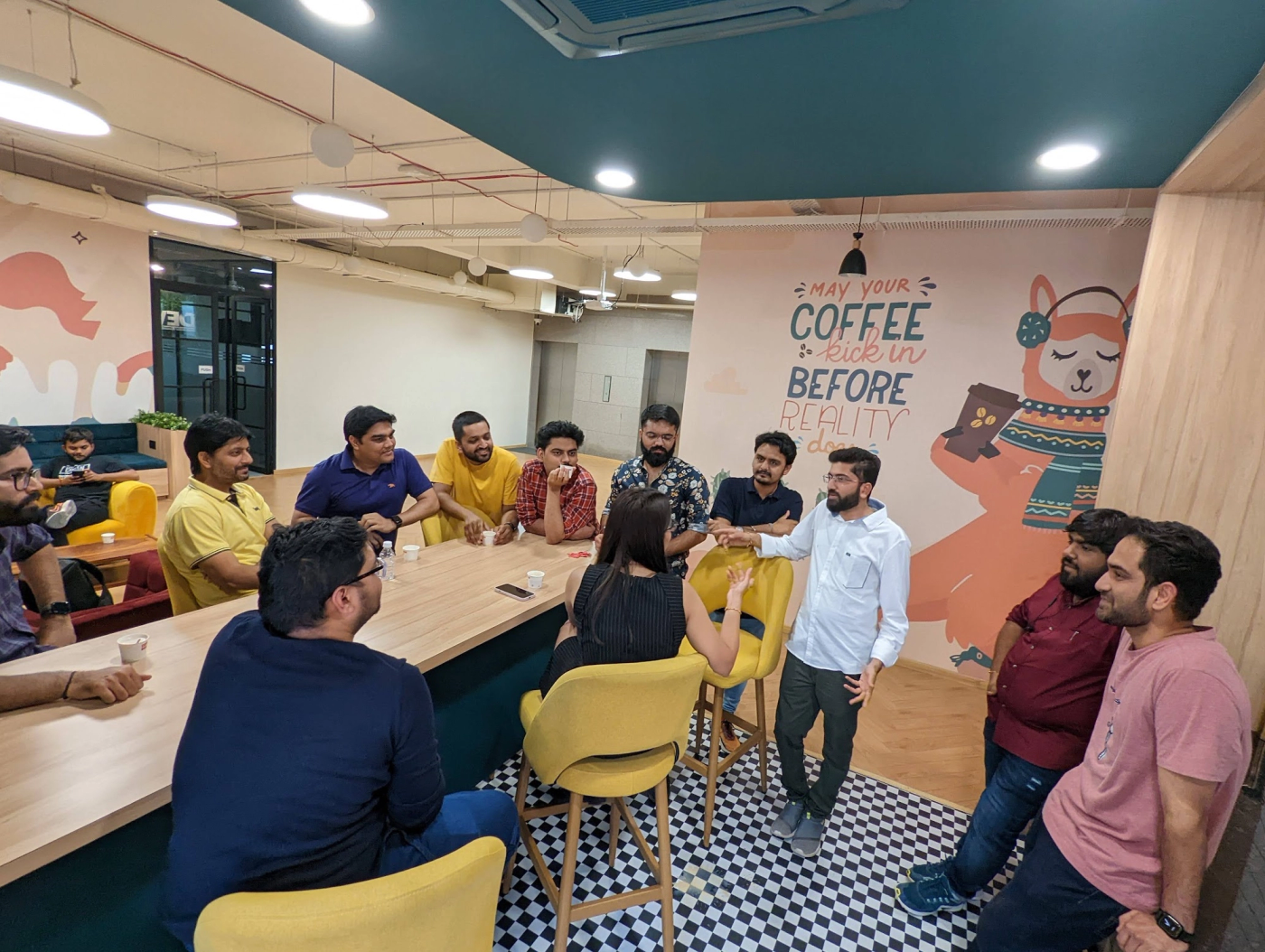
The ThinkTank may have wrapped up in Ahmedabad, but the work does not end with the final photograph or presentation. The ideas continue, the relationships continue, and the opportunity to build together continues. That, ultimately, is the spirit of the Emerging Tech ThinkTank: Think. Collaborate. Build. Refine. Showcase. And keep going.